Pentagon launches new defence actions against Iranian targets
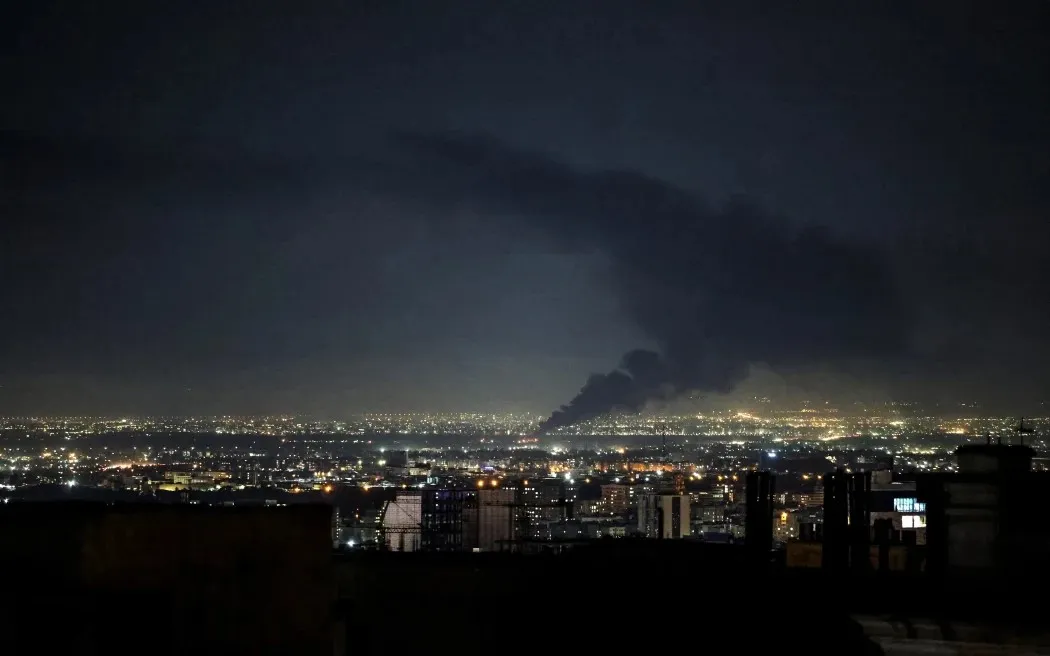
American forces hit an Iranian military ground control station overnight in Bandar Abbas, escalating tensions during a highly sensitive diplomatic window. Defence officials confirmed that the site posed an immediate threat to US personnel and commercial shipping vessels navigating the critical Strait of Hormuz. Alongside the tactical surface raid, naval defence systems successfully shot down four one-way attack drones deployed in the region.
Fragile Ceasefire Fractures
Military analysts track this latest development as a major stress test for regional stability, following a separate defensive action targeting naval minelaying operations earlier in the week. The host of retaliatory measures directly impacts global energy prices, sending crude futures climbing nearly two percent as markets adjust to persistent maritime security risks. Historically, the narrow passage serves as a primary choke point for twenty percent of global oil transit, meaning localized instability instantly dictates international economic health.
Diplomatic Impasse and Shipping Disputes
Negotiations to conclude the three-month-old conflict continue under international mediation, though the latest military action highlights deep-seated mistrust between the parties. Disagreements intensified after international media broadcasted an unverified draft peace framework suggesting shared maritime oversight.
US President Donald Trump swiftly rejected reports that regional actors would assume joint regulatory management over the shipping lanes. Speaking during an official briefing, the administration reiterated that the waters must function strictly under international maritime freedom guidelines, remaining open to all global trade without localized interference or blockades.


.webp)


.webp)