

Bhubaneswar, June 14: Today, Odisha bursts into vibrant celebrations with Pahili Raja, the opening day of the iconic Raja Parba, also known as the Raja Festival or Mithuna Sankranti. This unique festival, deeply rooted in the state's cultural and agrarian traditions, is dedicated to celebrating womanhood, fertility, and the rejuvenating power of Mother Earth.
Raja Parba is one of Odisha's most cherished festivals, observed with great enthusiasm in both rural and urban areas. More than just a cultural event, it is a profound expression of respect for nature and femininity. The festival derives its name from the word Rajaswala, which refers to a menstruating woman. According to tradition, Mother Earth, or Bhudevi, undergoes her annual menstrual cycle during these days. As a mark of reverence, all agricultural activities such as ploughing, digging, and tilling the soil are suspended, allowing the land to rest and renew itself before the sowing season begins.
The festival spans four days in total. It begins with Saja Baja, a preparatory day when homes are cleaned and traditional delicacies are prepared. This is followed by Pahili Raja, the first official day of celebrations. The second day, known as Raja Sankranti or Mithuna Sankranti, marks the solar transition and is considered the most significant day of the festival. The festivities conclude with Basi Raja or Bhudaaha, a final day of rest. On the fourth day, Basumati Snana is observed, during which the Earth is symbolically bathed and worshipped.
One of the most remarkable aspects of Raja Parba is its celebration of women. During the festival, women are relieved from household chores and daily responsibilities. On Pahili Raja, women and girls begin the day with a ceremonial bath using turmeric and scented oils. They wear new sarees or traditional attire, adorn themselves with flowers and jewelry, and decorate their hands and feet with alata, the traditional red dye.
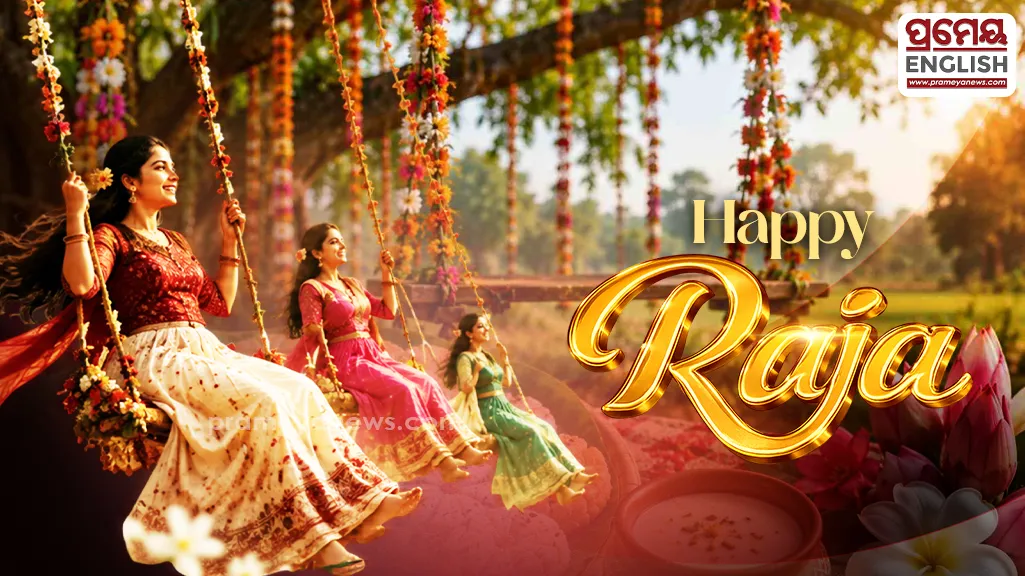
Across Odisha, young girls eagerly look forward to the festival. Dressed in colorful new clothes, they gather with friends and family to enjoy swings known as doli or jhula, which are beautifully decorated with flowers and mango leaves. These swings become the centre of attraction in villages, towns, and cities alike. The air resonates with traditional Raja Geeta as children and young women swing joyfully, celebrating the spirit of the season.
The streets across the state come alive during Raja Parba. Taking a welcome break from routine work, people immerse themselves in the festive atmosphere, spending quality time with friends and family. The celebrations are marked by laughter, music, traditional games, and a strong sense of community.
No Raja celebration is complete without its rich culinary traditions. Almost every household prepares a variety of delicious dishes and sweets during the festival. Among the most popular is Poda Pitha, a traditional baked rice cake that holds a special place in Odia cuisine. The aroma of freshly prepared delicacies fills homes and neighborhoods, creating an atmosphere of warmth and festivity. Another indispensable part of Raja festivities is the special meetha pan, prepared with an assortment of flavours and enjoyed by people of all ages.
At its heart, Raja Parba is a celebration of life's cycles, the fertility of the earth, and the dignity and power of womanhood. By honouring Mother Earth and giving women a well-deserved time of rest and enjoyment, the festival reinforces values of respect, renewal, and gratitude.