
.webp)


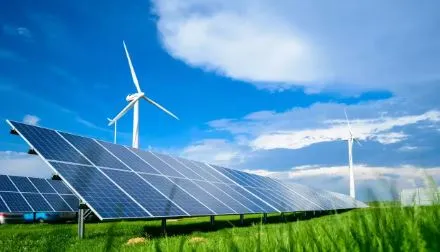
Bhubaneswar, August 12: The Odisha Cabinet has approved amendments to the Odisha Pumped Storage Projects (PSP) Policy, 2025, along with the revised Operational Guidelines, aiming to accelerate the development of renewable energy and pumped storage projects across the state.
Odisha has set a target of adding around 11,000 MW of renewable energy capacity by 2030. To encourage the development of pumped storage projects, the amended policy provides a range of incentives and support measures.
The decision was taken at a Cabinet meeting chaired by Chief Minister Mohan Charan Majhi at Lok Seva Bhawan on Wednesday.
The Energy Department formulated the amendments in view of recent developments in pumped storage projects at both the national and state levels. The revised policy seeks to create a stronger framework to promote investment and facilitate the development of pumped storage projects in Odisha. The amended policy will remain in force until March 31, 2030.
Pumped Storage Hydro Projects (PSPs) are emerging as a key component of the clean energy transition. These projects store surplus electricity during off-peak periods and release it when demand is high or renewable power generation is low.
PSPs are currently considered one of the most economical options for long-duration energy storage, helping address the intermittent nature of renewable energy. They also support grid stability and reliability by providing rapid response to changes in electricity demand, along with services such as black-start capability, spinning reserves and frequency regulation.
These include infrastructure support, exemption from electricity duty, cross-subsidy surcharge, wheeling charges and State Transmission Utility (STU) charges, besides exemption from water cess. The policy also provides for free power and benefits under the Local Area Development Fund (LADF).
The government expects these measures to strengthen Odisha's renewable energy infrastructure and support the state's transition towards a more sustainable and reliable power system.
.webp)