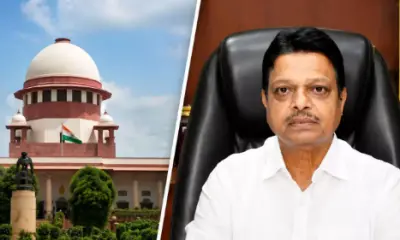



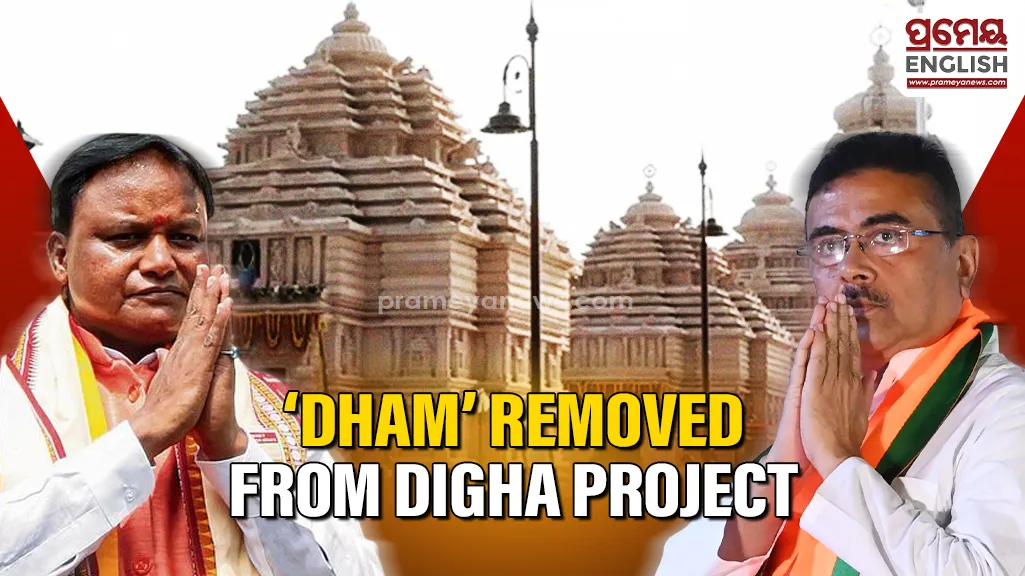
Bhubaneswar, June 10: In a significant gesture aimed at respecting religious sentiments and cultural traditions, Odisha Chief Minister Mohan Charan Majhi has welcomed the decision to remove the word “Dham” from the proposed Jagannath temple project in Digha.
The clarification and correction come after discussions around the naming of the upcoming shrine in West Bengal’s coastal town of Digha, which had earlier been referred to as “Jagannath Dham.” The Odisha government had raised strong objections, stating that according to classical tradition, only the sacred shrine in Puri holds the status of “Jagannath Dham.”
Majhi reiterated that Lord Jagannath is central to Sanatan cultural identity and emphasized that the holy shrine at Shree Jagannath Temple, Puri is uniquely regarded as the original and only “Jagannath Dham.” He also said that the earlier naming had hurt the sentiments of devotees across Odisha and the global Jagannath community.
He expressed gratitude for the sensitivity shown by West Bengal Leader of Opposition Suvendu Adhikari in supporting the correction and acknowledged the revised decision to rename the project as the “Sri Sri Jagannath Mandir Cultural Center.”
However, it is important to note that the decision has been made by the West Bengal state government led by Chief Minister Mamata Banerjee, not Suvendu Adhikari, who serves as the opposition leader.
Majhi had earlier written to the West Bengal government requesting the change, stressing that the previous usage of the term “Dham” for the Digha project was inconsistent with traditional references and had led to public concern in Odisha.
He welcomed the revised naming as a step that would help preserve cultural clarity while also promoting harmony between the two neighbouring states of Odisha and West Bengal. According to him, such decisions strengthen mutual respect and protect the spiritual heritage associated with Lord Jagannath.
The Odisha Chief Minister reaffirmed that his government remains committed to safeguarding Odia cultural identity and upholding the sanctity of traditional religious institutions.
The development has been widely viewed in Odisha as a positive move toward cultural sensitivity and improved inter-state understanding.