



When a passenger aircraft faces a life-threatening crisis thousands of feet above the ground, there is little time to think. In such moments, decisions made within seconds can determine the fate of everyone on board.
Nearly four decades ago, Neerja Bhanot found herself in such a situation. In 2026, another Indian aviation professional, Captain Smit Machchhar, faced a serious emergency aboard a passenger aircraft.
Though the circumstances were different, both incidents highlighted the crucial role of courage and quick action when aviation safety systems are pushed to their limits.
Neerja Bhanot: The 1986 Pan Am Hijacking
On September 5, 1986, 23-year-old senior purser Neerja Bhanot was serving aboard Pan Am Flight 73 when four armed hijackers seized control of the aircraft after it landed in Karachi.
Bhanot helped the cockpit crew escape and reportedly hid passengers' passports to prevent the hijackers from identifying American nationals.
As the situation deteriorated, she helped passengers reach an emergency exit. When the hijackers opened fire, Bhanot reportedly shielded three children and was killed.
Her actions during the 17-hour hijacking later earned her the Ashoka Chakra, India's highest peacetime gallantry award.
Smit Machchhar: Emergency Aboard Flydubai Flight
On September 30, 2026, Captain Smit Machchhar, an Indian pilot from Mumbai, was flying Flydubai Flight FZ1073 from Dubai to Tel Aviv when a serious confrontation reportedly broke out inside the cockpit.
According to Israeli officials, Machchhar's co-pilot attacked him and attempted to take control of the aircraft. Machchhar was seriously injured but managed to open the cockpit door.
Passengers and crew members entered the cockpit and helped restrain the attacker, while two other Flydubai pilots travelling on the aircraft took over the controls.
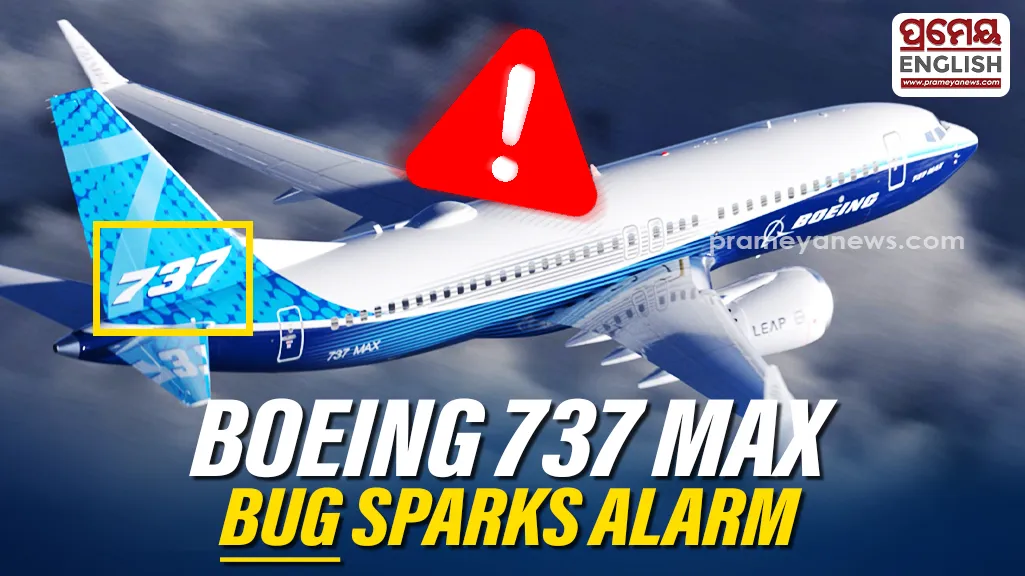
The Boeing 737 MAX 8, carrying 174 people, eventually made an emergency landing in Tabuk, Saudi Arabia.
The aircraft also transmitted emergency signals during the incident. AP reported that part of the aircraft's rudder was damaged during the descent.
Two Different Emergencies, One Critical Role
The two incidents were fundamentally different.
Bhanot faced an armed hijacking involving four gunmen who had seized an aircraft. In Machchhar's case, the reported threat came from inside the cockpit itself, involving a confrontation with his co-pilot.
The motive behind the 2026 incident remains unclear. Flydubai said the circumstances were subject to a formal investigation, while Israeli officials assessed the incident as an attempted terror attack.
What stands out in both cases is the role of people inside the aircraft when established safety procedures were tested by an extraordinary emergency.
Machchhar continued to resist despite being injured. Passengers then entered the cockpit and helped restrain the attacker, while other pilots took over the controls. The situation ultimately ended with an emergency landing rather than a loss of the aircraft.
How Hijackings Changed Aviation Security
Many aviation-security measures passengers take for granted today were shaped by earlier hijackings and attacks.
Reinforced cockpit doors, restricted access to the flight deck, security screening and emergency communication procedures all form part of a wider system designed to protect commercial aircraft.
The transformation accelerated after the September 11, 2001 attacks, when hijackers took control of four US passenger aircraft. In January 2002, the US Federal Aviation Administration ordered operators of thousands of aircraft to install reinforced cockpit doors.
International aviation standards subsequently strengthened requirements for cockpit doors to resist forced entry and remain locked during flight, with access controlled from inside the cockpit.
Aircraft also carry transponders that communicate with air-traffic controllers. Internationally recognised emergency codes include 7700 for a general emergency, 7600 for radio failure and 7500 for unlawful interference, including hijacking.
Flight FZ1073 reportedly transmitted an emergency signal and subsequently the 7500 unlawful-interference code. The signal prompted Israeli authorities to scramble fighter aircraft amid concerns about a possible hijacking.
The Human Factor in Aviation Safety
Security systems are designed to prevent crises, but no system can completely remove the human element from aviation emergencies.
The reinforced cockpit door, for example, is intended to prevent unauthorised entry but can also create challenges if a pilot becomes incapacitated. Aviation safety authorities have examined this balance as part of broader cockpit-security measures.
India, too, has strengthened its legal framework in response to its history of aircraft hijackings, including the 1999 IC-814 hijacking and the wider lessons from the September 11 attacks.
The Anti-Hijacking Act, 2016 was introduced as part of India's efforts to strengthen the legal framework against aircraft hijacking and implement international obligations.
From the Pan Am Flight 73 hijacking in 1986 to the Flydubai emergency in 2026, aviation security has evolved through decades of incidents, investigations, regulations and technological changes.
But when those systems are suddenly tested in the air, the actions of the people on board can still become the most important factor in bringing an aircraft safely back to the ground.