


Navratri is not just a festival of worship, colours and celebrations. For millions of devotees, it is also a time of fasting and spiritual discipline. But have you ever wondered why the Navratri fast lasts for exactly nine days?
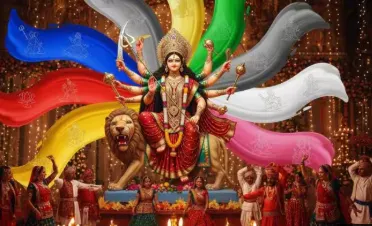
The answer is closely connected with the nine forms of Goddess Durga, collectively known as Navadurga. Each of the nine days is dedicated to one form of the Goddess, making fasting an important part of the nine-day religious observance.
Why exactly nine days?
During Navratri, devotees worship Shailaputri, Brahmacharini, Chandraghanta, Kushmanda, Skandamata, Katyayani, Kalaratri, Mahagauri and Siddhidatri on successive days.
The nine days are traditionally seen as a period of devotion, self-control and spiritual purification. Devotees observe vrat by following specific dietary restrictions and spending more time in prayer and worship.
What do devotees eat during Navratri fasting?
Fasting rules differ across regions and families. Many devotees avoid regular grains, pulses and certain spices. Instead, foods such as fruits, milk, sabudana, kuttu, singhara flour, potatoes and other permitted vegetables are commonly consumed.
Some devotees observe a strict fast, while others follow a partial fast or eat one fasting meal during the day.
What is the connection with Vijayadashami?
The nine nights of Navratri are also associated with the traditional story of Goddess Durga's battle with Mahishasura. The festival culminates on the tenth day, celebrated as Vijayadashami or Dussehra, symbolising the victory of good over evil.
This makes the nine-day period significant not only for fasting but also for prayer, devotion and spiritual preparation before the tenth day.
Is Navratri fasting only about food?
Not necessarily. Traditionally, vrat is viewed as a practice of discipline and devotion, rather than simply skipping regular meals. Many devotees also avoid certain habits, observe prayers, visit temples and devote more time to religious activities during these nine days.
So, why fast for nine days during Navratri? The tradition combines the worship of the nine forms of Goddess Durga with a period of spiritual discipline, restraint and devotion—leading devotees towards the celebration of victory on the tenth day.