



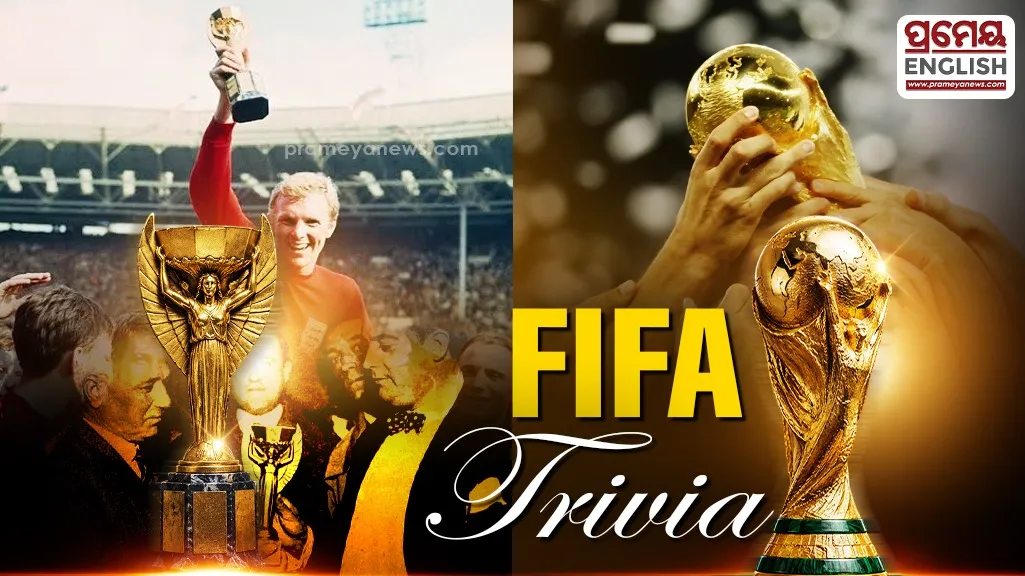
London traffic lights directly inspired modern football penalty cards

Ken Aston
English referee Ken Aston forever altered global football rules by inventing yellow and red penalty cards after facing severe communication hurdles at the 1966 World Cup. His clever solution allowed match officials to transcend language barriers and enforce discipline clearly across international matches. Before this system existed, referees had to rely entirely on verbal warnings, which often led to complete chaos during high-stakes international tournaments when athletes spoke entirely different languages.
Antonio Rattin, an Argentinian captain, famously pretended he could not understand his verbal sending-off during a tense match against England in 1966. This specific incident highlighted a critical flaw in refereeing mechanisms. Driving down Kensington High Street shortly after the controversial game, Aston stopped his car at a standard traffic signal. He noticed how yellow meant caution and red meant stop. This everyday visual cue sparked a brilliant idea. Colored cards would offer a universal visual language for athletes, coaching staff, and stadium crowds alike. The concept completely bypassed the need for a shared spoken language.
FIFA quickly recognized the brilliance of this idea and officially introduced the visual card system during the 1970 World Cup in Mexico. Evgeny Lovchev, representing the Soviet Union, holds the distinct honor of receiving the very first official yellow card in World Cup history. This unique moment occurred during the opening fixture against the host nation. Referees issued plenty of cautions throughout that specific month-long tournament. Interestingly, not a single player was ejected with a red card during the entire competition in Mexico.
Fans had to wait four more years to witness an actual ejection using the new visual system. Chilean player Carlos Caszely became the first individual to receive a red card during the 1974 World Cup held in Germany. Since that defining moment, these bright rectangular cards have become iconic symbols within global sports culture. The international governing body also introduced numbered substitution boards simultaneously in 1970 to make player changes completely transparent for fans. Today, these straightforward visual tools remain absolutely essential for maintaining order and fairness on football pitches worldwide. Their introduction transformed chaotic disputes into clear disciplinary actions.