


International health agencies launch fresh actions against toxic food.
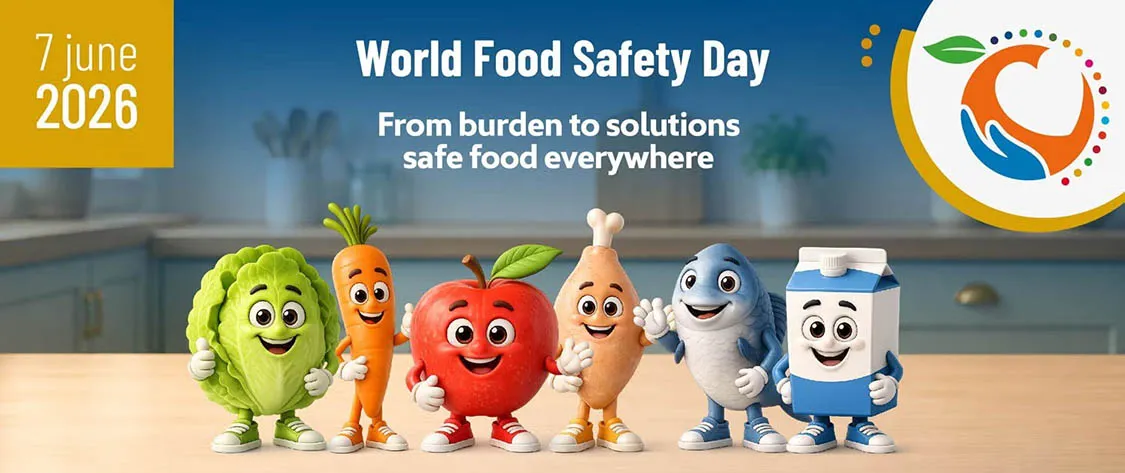
Global health authorities are shifting their strategy from raising awareness to enforcing practical, data-driven actions to combat food contamination. Marking its eighth annual observance on June 7, 2026, World Food Safety Day rolls out under the official banner, "From burden to solutions – safe food everywhere." This joint initiative by the World Health Organization (WHO) and the Food and Agriculture Organization (FAO) marks a critical transition toward strict global enforcement.
Fresh Data Exposes Contamination Toll
Coinciding with this year's campaign is the release of updated WHO Foodborne Disease Burden Estimates. This major tracking effort presents global, regional, and national-level data monitoring public health impacts from 2000 to 2021. In states like Odisha, where traditional open-air markets dominate local distribution networks, tracking localized contamination data remains vital for preventing widespread outbreaks. Now, international groups like the European Food Safety Authority (EFSA) are using these figures to map out the economic and social toll of dirty food to shape stricter regional policies.
Five Steps to Supply Chain Security
Securing the global supply chain requires coordination from farms to dinner tables. The Codex Alimentarius framework divides these duties into five specific goals:
Simple Habits for Safer Kitchens
Domestic kitchens serve as the final line of defense against illness. Individuals can lower risks by adopting five core habits. Home cooks must clean hands and surfaces regularly, separate raw meats from ready-to-eat items, and cook meals to safe temperatures. Additionally, prompt refrigeration of leftovers and using clean water for food preparation effectively stops bacterial growth.