

ଓ଑଼ିଆ | ENGLISH
ଓ଑଼ିଆ | ENGLISH
T20
T20

Japan Stops Fresh Indian Mango Shipments Following Critical Plant Quarantine Inspection Lapses

Japanese agricultural regulators have suspended fresh mango arrivals from India due to sanitation and operational failures found at treatment facilities. This border closure stops all shipments of high-value varieties during peak harvest season
Published By : Satya Mohapatra | May 28, 2026 10:21 AM
Japan Stops Fresh Indian Mango Shipments Following Critical Plant Quarantine Inspection Lapses

Japan halts fresh Indian mango imports over quarantine failures.

Japan’s Ministry of Agriculture, Forestry and Fisheries (MAFF) has enforced a country-wide suspension on fresh mango imports from India for the current harvest cycle. This sudden regulatory embargo follows a field review by Japanese plant quarantine officials who discovered serious structural and operational flaws in domestic fruit disinfection facilities. Consequently, the Yokohama Plant Protection Association confirmed that any shipment bearing Indian certification dated on or after March 25, 2026, will be turned away at entry ports.

Tokyo's zero-tolerance biosecurity protocol targets specific operational deviations during Vapour Heat Treatment (VHT) processes, particularly at a processing hub in Rehmanpur, Uttar Pradesh. This clean-air sterilisation method uses hot, humid moisture to eradicate fruit fly larvae without chemical pesticides. Under bilateral agreements, these protocols require direct on-site monitoring by Japanese experts, who reported poor facility hygiene and fumigation deviations during their recent visit.

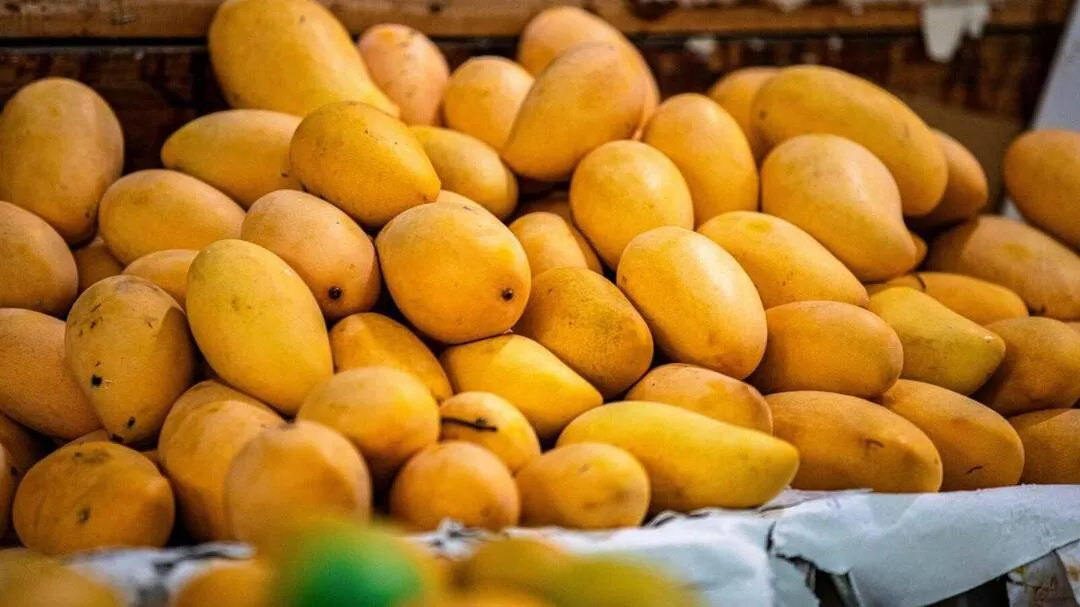
Odisha growers, who have been expanding their premium export footprint with unique local varieties, find themselves collateral damage in this regulatory crackdown alongside major orchard hubs in Maharashtra and Gujarat. This export barrier disrupts the lucrative April-to-June trading window, ensuring that luxury varieties like Alphonso, Kesar, and Banganapalli remain entirely absent from Japanese supermarkets.

In the past, this trade corridor has faced friction; Tokyo maintained a similar restriction for two decades starting in 1986, which was resolved in 2006 through intense diplomatic negotiations. The current restriction deals an economic blow to exporters currently facing lower crop volumes due to erratic regional heatwaves. Furthermore, rising logistical strains in West Asia have caused airfreight costs to climb to Rs 580 per kilogram, forcing orchardists to redirect premium export-grade produce back into domestic wholesale markets. ​​​​​​​