

.webp)

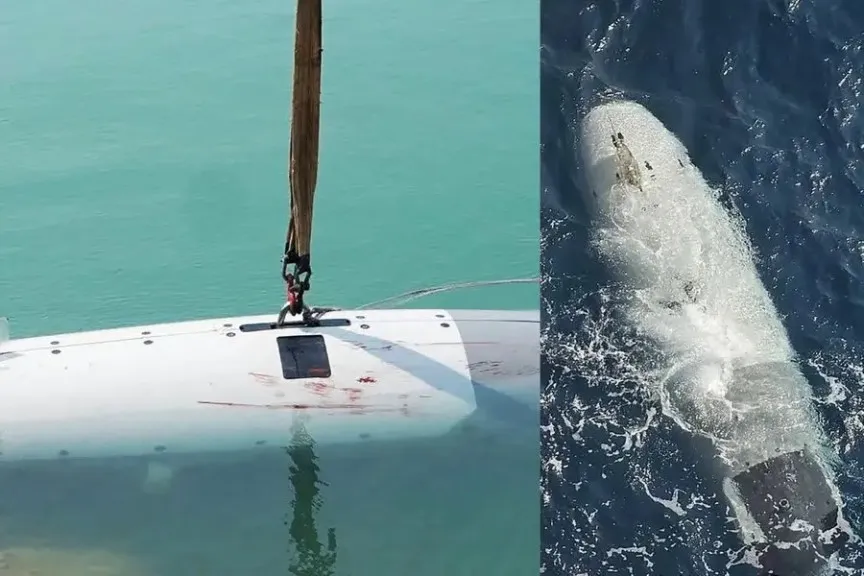
Iranian forces captured an unmanned American submarine near Hormuz
Iranian naval units captured an advanced American autonomous underwater vessel at the entrance of the Strait of Hormuz, according to statements released by the Islamic Revolutionary Guard Corps through Sepah News. Tehran identified the craft as a Dive-LD and published video recordings showing the vehicle, while separately claiming that air defense crews shot down a US MQ-9 Reaper drone over the corridor. This confrontation injects fresh instability into a strategic waterway handling nearly a fifth of world petroleum transit.
Conflicting Accounts over Autonomous Hardware
Pentagon officials admitted that a maritime survey drone experienced a technical malfunction in the area a day earlier, yet claimed the device was an older unit lacking secret sonar gear or classified data. By contrast, technical data from builder Anduril indicates the Dive-LD can remain deployed for up to ten days and plunge to depths of 6,000 meters, roughly 19,700 feet. The robotic vessel costs roughly $2.5 million per unit, serving as a core element in Pentagon efforts to expand unmanned ocean patrols without risking sailors.
📲Follow our WhatsApp Channel for the latest news, breaking updates, and important headlines. Stay connected with us for more updates!
Retaliatory Strikes on Tankers and Airlines
Tensions erupted elsewhere in the Gulf after US Central Command confirmed its military forces destroyed five Iranian crude oil tankers. CENTCOM stated that the strikes answered two Iranian ballistic missile attacks directed at an American warship over forty-eight hours. Simultaneously, the US Treasury Department placed 27 Iranian airlines on its sanctions blacklist, accusing the Revolutionary Guard of using commercial carriers to transport personnel and military equipment across foreign hubs.
Diplomatic Breakdown and Regional Friction
Iranian President Masoud Pezeshkian stated that Tehran rejects open conflict but vowed firm resistance against outside aggression until foreign powers face deep regret. Direct combat originally broke out on February 28 following joint American and Israeli strikes on Iranian urban centers, triggering reciprocal missile barrages. Although Washington and Tehran signed a temporary understanding on June 18 establishing a 60-day dialogue deadline that expired on August 17, diplomatic negotiations have collapsed while naval skirmishes multiply across critical sea lanes.
.webp)