
.webp)

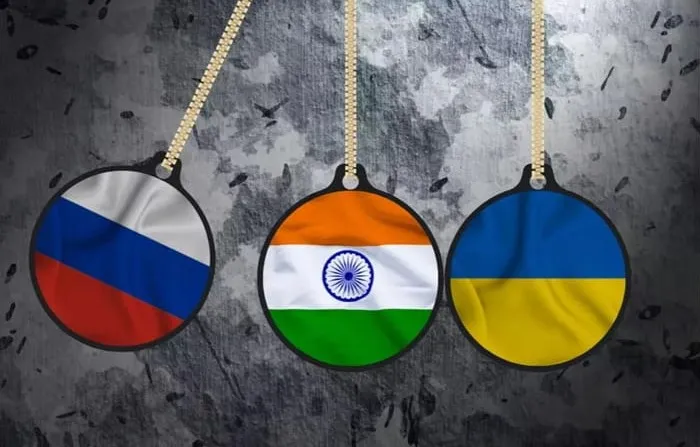
New Delhi presents a strategic ceasefire framework for Eastern Europe
India has officially outlined a specific three-part ceasefire strategy to stop hostilities between Moscow and Kyiv. Foreign Minister S Jaishankar delivered this proposal directly to Ukrainian officials during his recent visit to Eastern Europe. The framework prioritizes stopping direct strikes on energy facilities, ensuring safe passage for commercial ships, and maintaining uninterrupted grain shipments through Black Sea ports.
International diplomatic efforts
Diplomatic sources confirm that Ukrainian Foreign Minister Andrii Sybiha recognized this initiative as the most detailed among current international efforts. Other nations, including Egypt, Turkey, and the United States, have also submitted separate negotiation options. Egypt and Turkey primarily target agricultural exports, while American negotiators concentrate on halting power grid attacks. New Delhi combined these critical elements into one unified document to address multiple humanitarian concerns simultaneously.
Changing role in global mediation
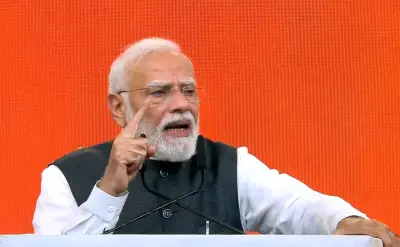
Russian President Vladimir Putin recently praised Prime Minister Narendra Modi for offering practical ideas to reach a mutually acceptable resolution. Putin specifically highlighted India's neutral diplomatic position throughout the five-year conflict.
Global observers note that this geopolitical crisis has severely disrupted global supply chains since early 2022. By presenting a concrete framework, Indian diplomats are shifting from simple advocacy to active negotiation. Jaishankar reinforced this evolving position during the Munich Security Conference in Delhi, confirming ongoing practical discussions with both sides. Both warring nations continue evaluating the exact terms. Ukrainian leaders remain open to different negotiation formats. However, they insist any final agreement must protect their critical port infrastructure alongside pausing direct frontline combat operations. New Delhi will likely maintain regular contact with both capitals to refine the proposed steps over the coming weeks.
.webp)