
.webp)
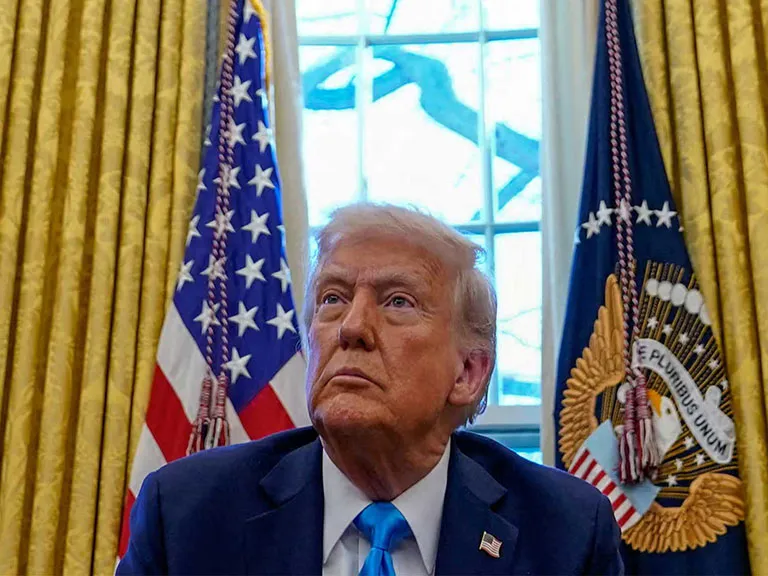
Trump halts historic strike on Iran for diplomatic talks
Donald Trump cancelled a planned military operation against Tehran that he described as the biggest attack since World War II. He confirmed this strategic shift aboard Air Force One, announcing that fresh negotiations will start on Monday afternoon. Washington hopes these discussions will reopen the Strait of Hormuz and force Iranian denuclearisation. Trump told reporters that they are now talking to Iran in the form of a negotiation, noting that his administration is ready to take action at any time but prefers striking a deal over taking lives.
Gulf Nations Push For Peace
Middle Eastern partners played a crucial role in stopping the military strike. Saudi Arabia Crown Prince Mohammed Bin Salman, along with leaders from Qatar and the United Arab Emirates, urged Washington to cancel the weekend operation. They warned that immediate strikes would ruin any chance of resolving the ongoing conflict through diplomacy. Trump confirmed his military was ready to strike, but he paused the operation because regional allies believe a diplomatic resolution is within reach. He stressed that he does not want to kill people if a peaceful agreement is possible.
Iranian state media quickly challenged the American President's timeline of events. The semi-official Mehr News Agency dismissed assertions that Tehran asked for a pause in military action, calling the claim nothing but a new lie. Despite this public friction, Iranian Foreign Minister Abbas Araghchi stated on Sunday that Oman is successfully mediating negotiations. Araghchi confirmed that talks regarding the Strait of Hormuz are progressing well and remain on track for finalisation.
History of High Stakes Strategy
This pattern of pairing sharp military threats with diplomatic openings has defined recent American foreign policy in the Middle East. On April 7, Trump famously warned that a whole civilisation will die tonight if Iran refused peace talks. That extreme rhetoric led to rare, face-to-face discussions in Pakistan led by US Vice-President JD Vance. While those earlier meetings represented a major diplomatic step, they concluded without any formal agreement.
.webp)