


Iran demands two million dollars per ship to cross Strait of Hormuz
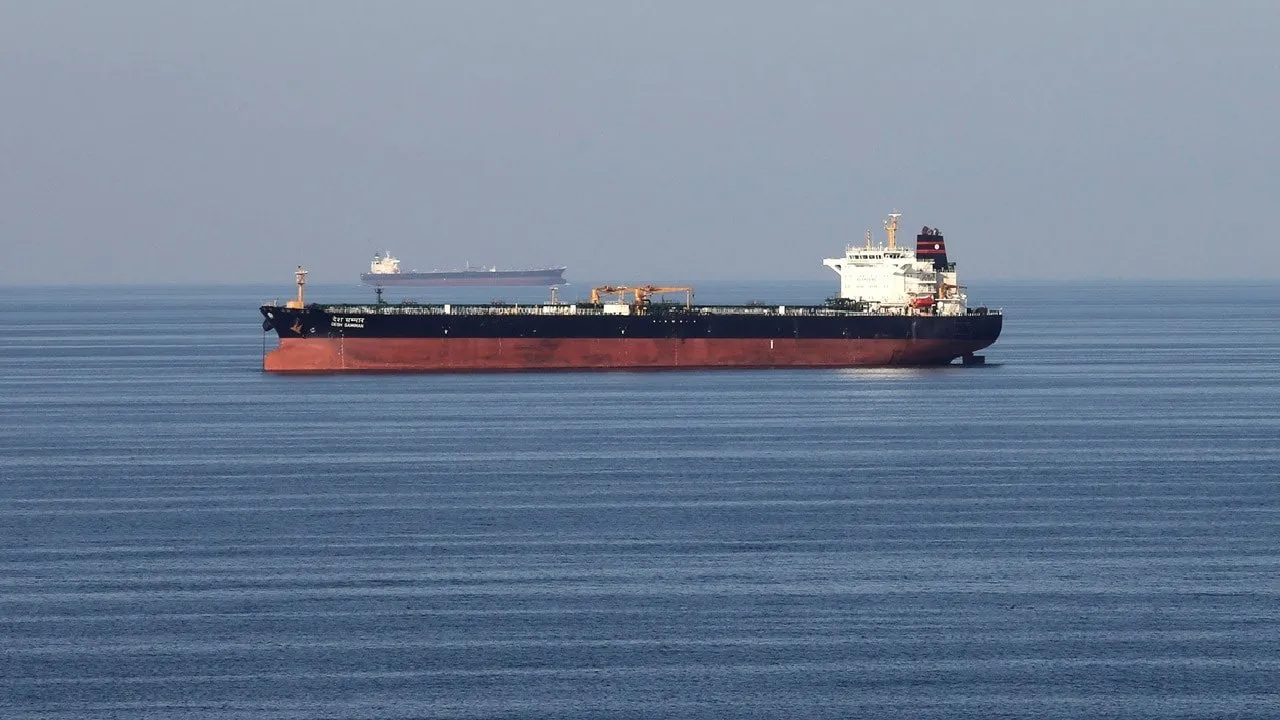
Tensions in the Middle East have escalated rapidly as Tehran takes drastic steps to dominate a vital maritime corridor. Passing through the Strait of Hormuz now comes with a massive financial burden for specific foreign vessels. Iranian officials have announced a huge $2 million fee, roughly equivalent to 18.8 crore rupees, just to navigate this essential crude oil transit channel.
New Charges Shock Global Trade Markets
Lawmaker Alaeddin Boroujerdi recently confirmed to state media that authorities are already enforcing this expensive new toll. Representing the national security committee, he framed the aggressive pricing policy as a bold assertion of Iranian sovereignty during severe regional conflicts involving Israel and the United States. Boroujerdi defended the extreme transit costs by stating that military struggles require funding, projecting this multi-million dollar levy as a display of undeniable national strength.
Retaliation Threats Follow US Government Warnings
This financial blockade follows intense rhetoric from President Donald Trump. He recently cautioned that American forces might bomb Iranian energy facilities unless they guarantee free passage through the waterway within two days. Tehran wasted no time firing back. Authorities warned they could obliterate Israeli power networks almost instantly if provoked further.
President Masoud Pezeshkian took to social media to clarify his nation's stance. He firmly stated that friendly countries can still use the shipping lanes safely. Furthermore, he dismissed foreign threats as desperate acts, insisting that attempts to intimidate his country will only forge stronger unity. Hostile nations, however, will face strict bans from Iranian waters.
Severe Risks for International Fuel Supplies
Officials in Tehran remain adamant about completely shutting down the passage if Washington executes its military threats. While allied ships reportedly receive safe harbour, recent hostile acts against commercial boats have practically frozen tanker movements. Controlling roughly twenty percent of global crude shipments, the Strait of Hormuz dictates international energy stability. Any sustained interference here threatens to trigger a worldwide global shipping crisis, which could severely impact fuel prices everywhere, from major western capitals to local consumer markets in Odisha.
With Infor from Public Domain and Agencu Inputs