

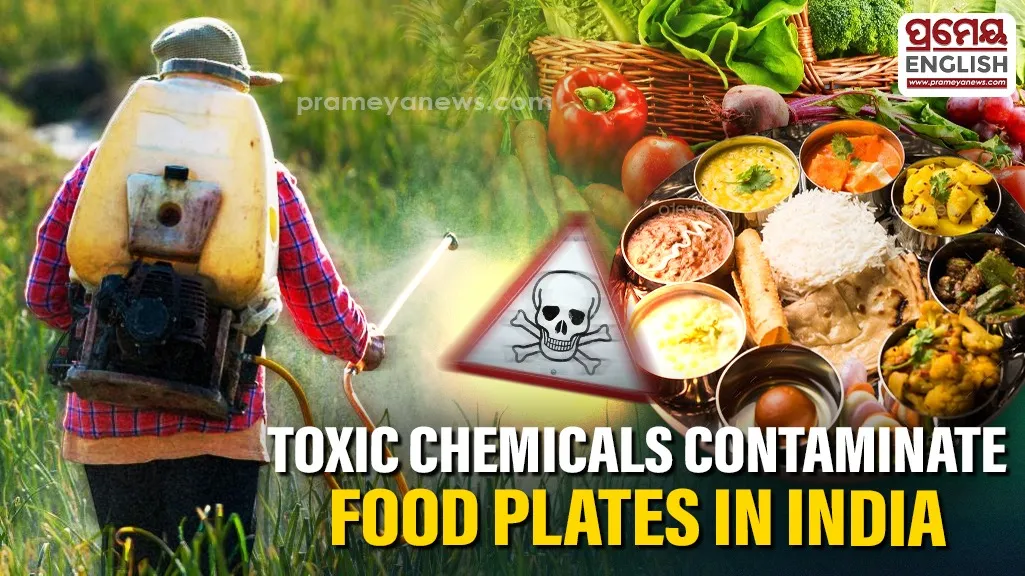
Toxic agricultural chemicals face bans abroad but flood Indian markets
European trade authorities flagged and rejected 365 Indian agricultural products between May 2024 and May 2026 due to dangerous levels of restricted pesticides and heavy metals. This continuous rejection by the European Union highlights a stark reality regarding domestic food safety. While global markets refuse these toxic items, millions of consumers across India consume these identical hazardous substances daily through their regular meals. Policymakers face growing pressure to explain why chemicals deemed too dangerous for foreign populations remain legal for domestic cultivation.
Dangerous Inheritances on Local Farmlands
Several herbicides sprayed across domestic fields trace their origins back to historical military use or severe global bans. For instance, the weedkiller 2,4-D served as a core component of Agent Orange during the Vietnam War. Today, Indian farmers regularly use this chemical to manage broadleaf weeds in staple crops like wheat, rice, and sugarcane. The World Health Organization classifies 2,4-D as a possible carcinogen, yet domestic restrictions remain minimal compared to international standards.
Similarly, paraquat remains widely accessible across the country despite being outlawed in over 70 nations. Developed originally in the nineteenth century and commercialised by British enterprises, this highly toxic substance now belongs to international conglomerates. The European Union prohibited paraquat in 2007 due to acute health hazards, including irreversible lung destruction, kidney failure, and links to Parkinson's disease. Though states like Kerala and Telangana have restricted its distribution, a national prohibition awaits judicial review. The legal status of paraquat within the country draws criticism from global health watchdogs who view its ongoing availability as an unnecessary hazard to rural populations.
Corporate Ingress and Regulatory Oversight
Glyphosate represents another highly controversial substance thriving in the domestic marketplace. The World Health Organization designated this popular weedkiller as a probable carcinogen back in 2015. While global manufacturers face billions of dollars in legal settlements overseas, domestic regulatory bodies continue to clear the chemical based on corporate data. Agricultural specialists point out that this reliance on corporate research compromises public welfare while securing corporate profits year after year.
Dimethoate and acephate further expand the list of hazardous inputs. Dimethoate faces bans in 31 countries due to potential DNA damage, yet remains accessible to local crop growers. Meanwhile, acephate targets pests on cotton and vegetables but severely damages honeybee populations. This decline in vital pollinators threatens agricultural ecosystems and long-term crop reproduction across farming regions, directly jeopardizing natural biodiversity. Environmental scientists warn that losing these beneficial insects could permanently alter domestic crop cycles and reduce the yields of crucial fruit and oilseed varieties.
Health Implications and the Path Forward
Rising cancer statistics within the country emphasize the critical need for immediate regulatory reform. The Indian Council of Medical Research documented 14.6 lakh new cancer instances in 2022, with projections expanding to 15.7 lakh cases. Public health experts agree that minimizing contact with potential carcinogens is necessary to mitigate these expanding medical challenges.
In coastal regions like Odisha, smallholder rice farmers often lack direct access to safer organic alternatives, making them highly reliant on affordable but hazardous chemical inputs distributed by aggressive agrochemical networks. This systemic dependence complicates the transition toward sustainable farming practices. Agro-industry representatives argue that eliminating these tools would collapse crop production, increase consumer costs, and damage farmer livelihoods.
However, balancing immediate agricultural production against long-term public health requires an urgent shift in policy mindset. Europe continues to elevate its food quality expectations, leaving Indian exports stranded. National administrative bodies must choose between protecting corporate agriculture or adopting a health-first strategy. Safeguarding human lives should remain uniform, ensuring domestic consumers receive the same protection as international buyers.