Narrowing Down Candidates
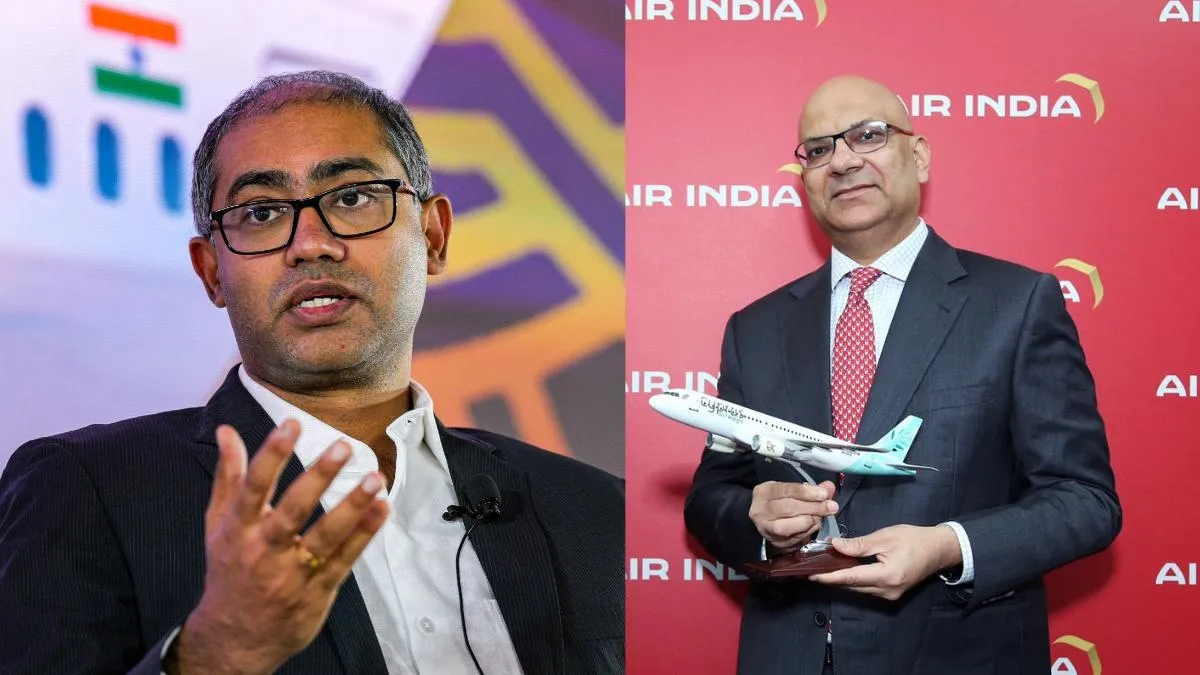
Top executives Nipun Aggarwal and Vinod Kannan have emerged as leading frontrunners to replace Campbell Wilson as chief executive officer of Air India. Wilson resigned early in April, leaving Tata Group to find a highly capable successor for this demanding leadership role. Both individuals possess unique strengths that align with different strategic priorities. Aggarwal currently serves as chief commercial officer, where he actively drives cost reduction and internal efficiency initiatives. Kannan brings extensive operational expertise from his successful tenure running Vistara prior to its merger. Tata Group originally founded the airline in 1932 before it was nationalised and subsequently repurchased nearly nine decades later. This historical transition adds immense weight to the upcoming appointment, as stakeholders expect rapid turnarounds.
Internal Dynamics Complicate Selection
Reaching a final consensus remains difficult due to ongoing leadership debates within Tata Sons. Chairman N Chandrasekaran reportedly supports Aggarwal for the top position. However, his own tenure concludes in February 2027, and differing opinions among key board members create noticeable uncertainty. Noel Tata strongly opposes extending Chandrasekaran’s term, which severely complicates long term planning. Certain critics also argue that Aggarwal lacks direct experience managing a global full service carrier. This specific concern gives Kannan a distinct advantage during board discussions.
Overcoming Immediate Industry Hurdles
Whichever candidate ultimately secures the position will face urgent operational obstacles from day one. Global geopolitical conflicts recently forced the carrier to slash flight capacity by nearly twenty percent. Simultaneously, rising aviation fuel prices and persistent supply chain delays heavily squeeze airline profit margins. The incoming leader must actively manage an ambitious fleet upgrade program while aggressively reducing deep financial losses. Rebuilding passenger trust remains another major priority after recent service disruptions. Market analysts agree that securing stable leadership is absolutely critical for ensuring sustainable growth and global competitiveness.