


.webp)
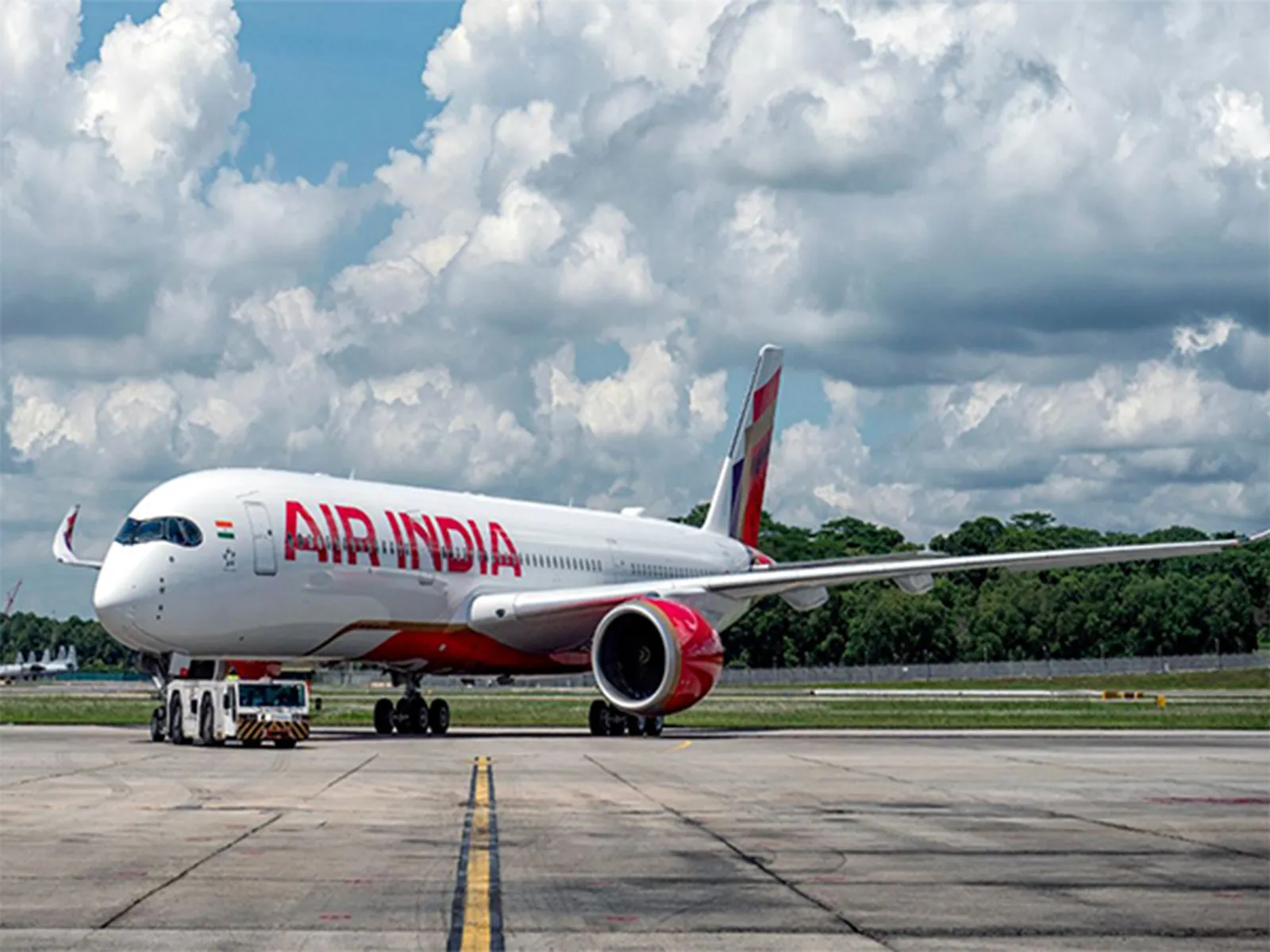
Phased retrofitting secures Boeing door handles following federal orders
Indian flag carrier Air India is currently executing phased mechanical upgrades across its Boeing 787 Dreamliner fleet to address potential hazards associated with door assist handles. This necessary, precautionary retrofitting directly aligns with a recent safety directive issued by the United States Federal Aviation Administration. Regulators mandated these essential changes globally after discovering that cabin door handles could unexpectedly detach from their mounts during pre-flight checks or routine daily operations.
Safety always remains the highest priority during commercial passenger flights. Detached door handles pose severe physical risks to flight attendants, maintenance staff, and everyday travelers while opening heavy cabin doors. Furthermore, malfunctioning door components might drastically slow down rapid aircraft evacuations during critical flight emergencies. To permanently fix this structural defect, aviation engineers are carefully installing redesigned retaining parts on support brackets across all affected aircraft. India's aviation sector closely aligns with international regulatory bodies, ensuring strict compliance with global safety protocols and protecting domestic travelers. Technical crews will also carry out extensive visual inspections to confirm that every repaired door handle functions flawlessly before returning planes to regular service.
Fleet Adjustments and Operational Impact
Management has successfully retrofitted several older wide-body planes already, moving steadily through the required checklist. Reliable industry sources confirm that this ongoing routine maintenance does not disrupt current daily flight schedules or compromise immediate passenger security in any way. Currently, thirty-five Boeing 787 Dreamliners operate within this specific airline network, handling both domestic and long-haul international routes. This total working fleet includes twenty-six legacy 787-8 models and nine newer 787-9 variants. While regulators have not explicitly disclosed exactly how many jets require immediate mechanical intervention, maintenance teams are strictly following all mandated federal protocols.Engineers will systematically evaluate all targeted door assemblies and apply permanent identification placards once repairs finish. These standardized markings will help future inspectors easily verify compliance during routine ground checks. Proactive measures like these demonstrate a strong commitment to keeping passengers safe without causing unnecessary travel delays.
.webp)