

.webp)


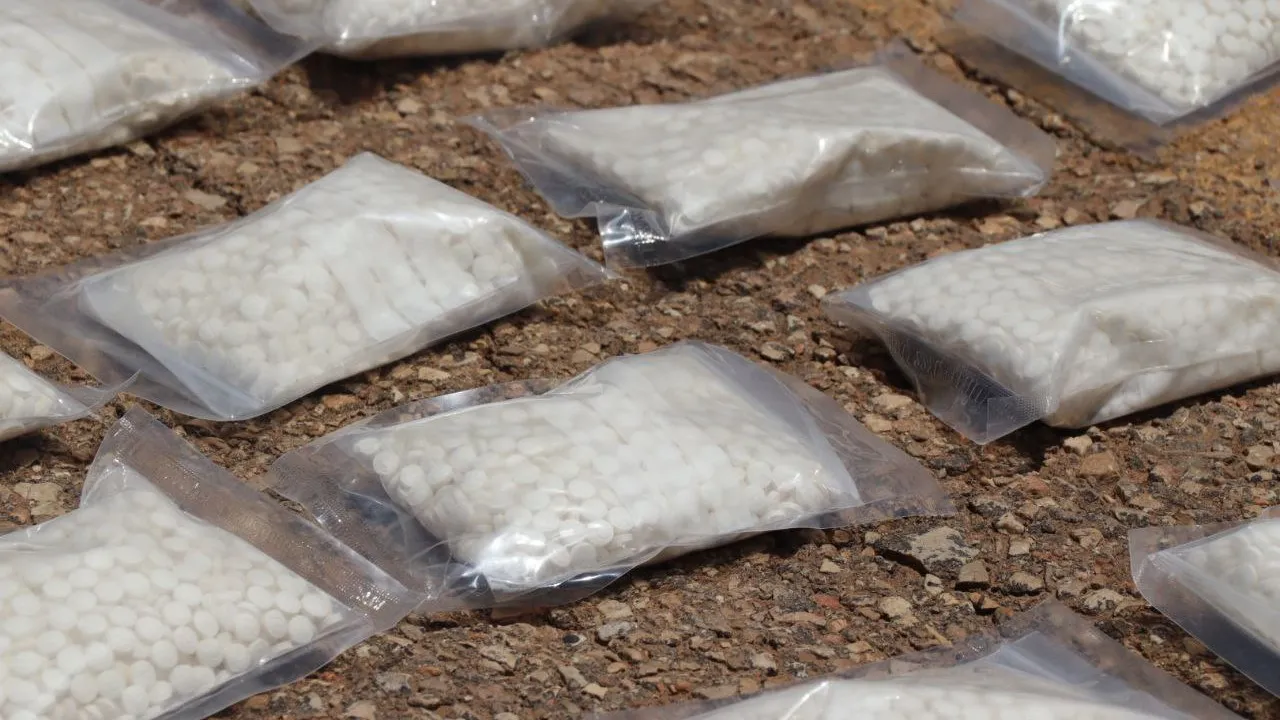
Narcotics Control Bureau intercepts dangerous combat pills worth crores.
Indian federal anti-narcotics officers intercepted a shipment of Captagon tablets valued at Rs 182 crore, marking the country's first recovery of this specific synthetic narcotic substance.
Investigators revealed that the contraband was bound for destinations across the Middle East. Security agencies have intensified surveillance along maritime boundaries and air cargo channels as transcontinental syndicates increasingly attempt to exploit South Asian trade routes. This particular enforcement victory follows a pattern of recent high-value drug interceptions nationwide, including a separate multi-crore cocaine recovery in Mumbai, indicating heightened vigilance across Indian transit hubs.
Historically, maritime networks crossing the Indian Ocean have been vulnerable to smuggling pipelines originating from the Golden Crescent. While Odisha and neighboring coastal states frequently monitor traditional contraband paths like cannabis or brown sugar corridors, this recent seizure highlights an emerging challenge involving highly potent synthetic chemicals migrating toward unconventional distribution channels.
Captagon consists of an amphetamine-based formulation originally developed by German pharmaceutical researchers during the 1960s to manage attention deficits and narcolepsy. Global health authorities implemented severe international bans on its production in the 1980s due to its highly addictive characteristics. The drug artificially elevates focus, sustains wakefulness, suppresses hunger, and dulls physical pain, making it a preferred substance among militant groups operating in active West Asian conflict zones.
National enforcement officials reiterated that India maintains a strict zero-tolerance stance against narcotics smuggling.
.webp)