
.webp)
Bhubaneswar, March 26: The Odisha government has rolled out a new three-year excise policy for the period April 1, 2026, to March 31, 2029, replacing the earlier annual system in a bid to bring greater stability, transparency, and revenue growth to the state’s liquor sector.
The shift to a triennial framework is expected to ensure better long-term planning and consistency in excise administration. Officials said the policy was formulated after reviewing existing practices, consulting stakeholders, and studying models followed in other states.
As part of the reforms, the government has revised licensing norms and increased liquor licence fees. Application fees for various licences will rise by 10 per cent, while licence fees will see an annual increase of 10 to 20 per cent. Additionally, excise duty on Indian Made Foreign Liquor (IMFL) and country liquor has been enhanced to boost state revenue.
The policy also introduces a 0.5 per cent de-addiction cess on excise duty as a public health measure. At the same time, stricter quality control provisions and steps to improve transparency in retail distribution have been incorporated.
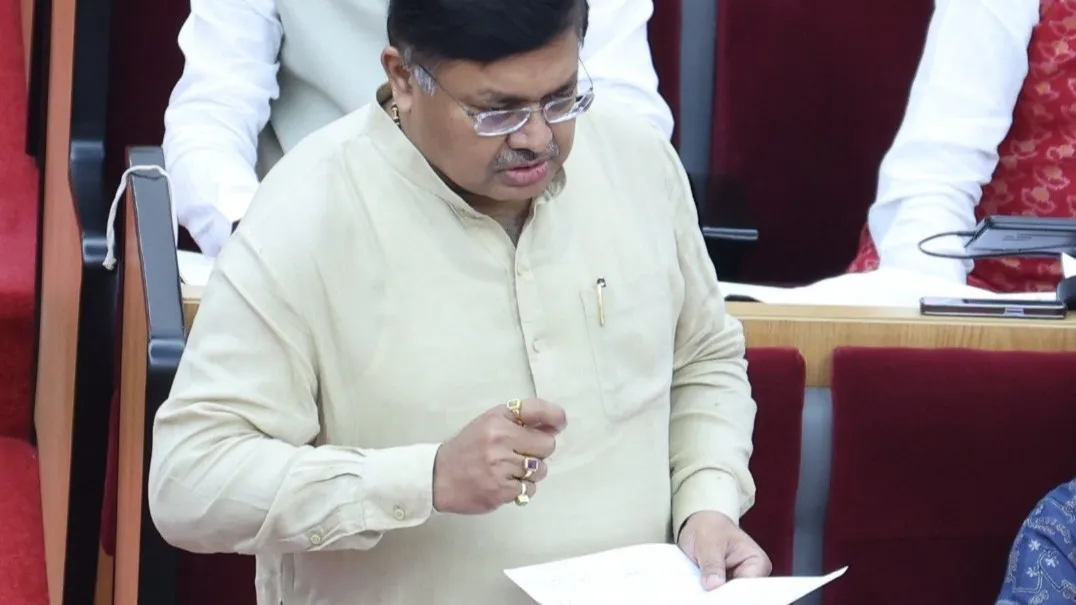
Excise Minister Prithviraj Harichandan said the new framework aims to create a structured and growth-oriented environment for the liquor industry while maintaining a balance between economic objectives and social responsibility.
In a significant shift, the government has replaced the Minimum Guaranteed Quantity (MGQ) system with a Minimum Guaranteed Excise Revenue (MGER) model. This change is intended to safeguard government earnings while reducing pressure on vendors to increase sales volumes.
The policy also imposes strict restrictions on the expansion of liquor outlets. No new OFF, country liquor, or out-still shops will be allowed across the state. In rural areas, new ON shops have been barred, except in three-star and above hotels and clubs located in industrial zones. The government has also ruled out home delivery of liquor.
Further, in a move aimed at respecting religious and cultural sentiments, no liquor shops will be permitted near the 12th-century Jagannath Temple or along the Grand Road in Puri, the 2.6-km stretch connecting the temple to the Gundicha Temple.
The government believes the new policy will create a more predictable and regulated ecosystem while strengthening enforcement, curbing illicit trade, and promoting public health safeguards.
.webp)