



ଓଡ଼ିଆ | ENGLISH
ଓଡ଼ିଆ | ENGLISH
T20
T20

NVIDIA Enters Windows PC Market with Revolutionary Arm Based RTX Spark Superchip at Computex

NVIDIA has introduced its highly anticipated Arm-based RTX Spark superchip at Computex 2026, marking a significant push into the Windows ecosystem. The hybrid architecture combines high-end Blackwell graphics with a custom 20-core processor to handle local digital assistants efficiently
Published By : Satya Mohapatra | June 1, 2026 1:35 PM
NVIDIA Enters Windows PC Market with Revolutionary Arm Based RTX Spark Superchip at Computex

NVIDIA introduces revolutionary processor designed for personal artificial intelligence teammates.

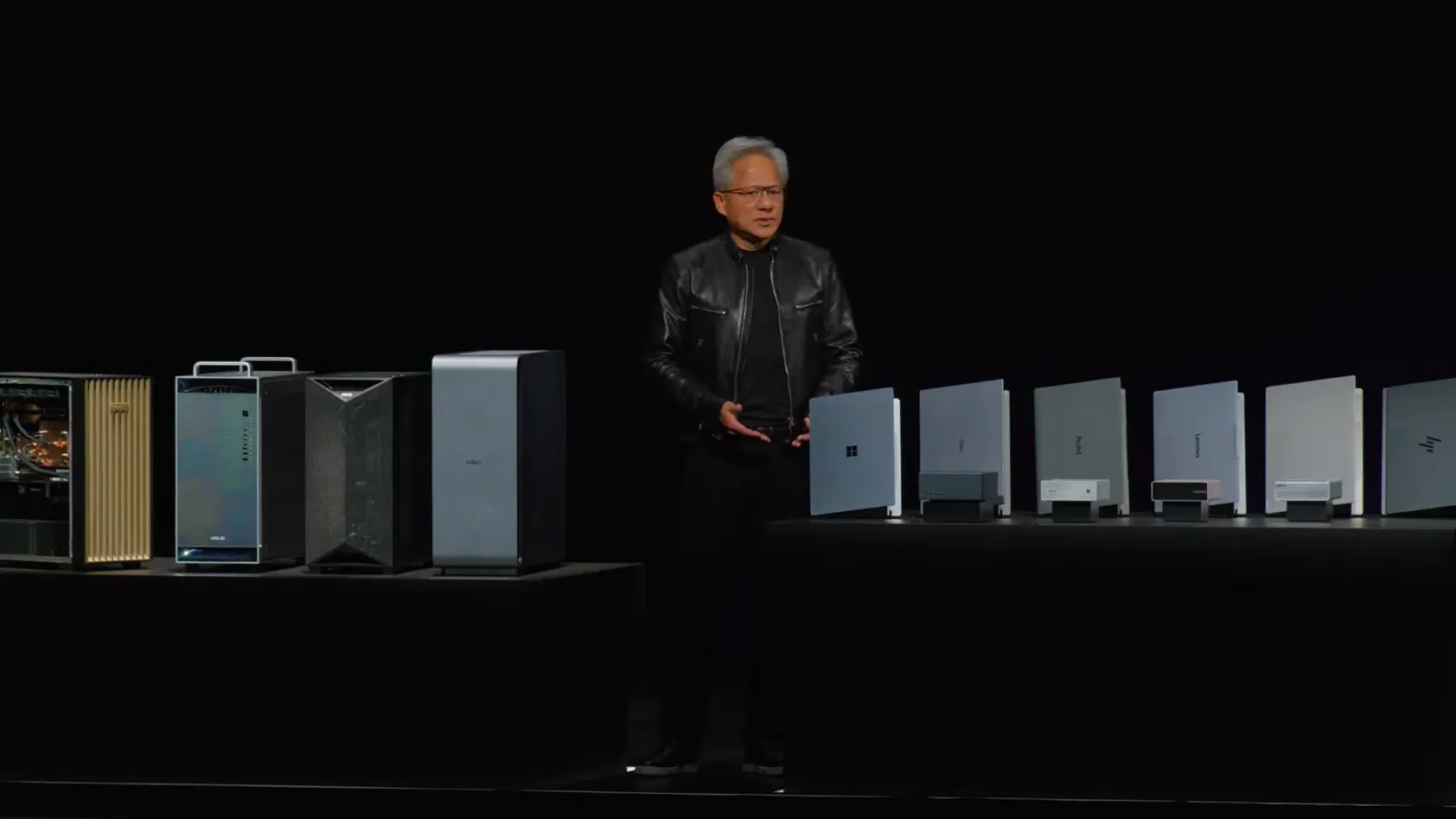
Silicon powerhouse NVIDIA has altered the trajectory of personal computing by launching its first consumer system processor tailored for the next generation of automated digital assistance. Revealed by Chief Executive Officer Jensen Huang at the Computex trade show in Taipei, the fresh RTX Spark superchip merges a custom 20-core Arm central processor with an advanced Blackwell graphics architecture. This desktop and mobile hardware brings data center architecture directly into portable computers, aiming to break the longstanding market dominance of traditional x86 computer hardware processors.

Historically, previous attempts to run mainstream operating systems on power-efficient mobile architectures suffered from severe software translation lags and poor graphics driver implementation. This launch signals a determined return to consumer hardware for the Santa Clara firm, which originally explored basic mobile tablet chips back in 2012 before shifting focus to cloud enterprise centers. By working directly with Microsoft engineers, the firm engineered a deeply integrated software ecosystem that bypasses previous execution bottlenecks.

Silicon Innovations and Technical Specifications

Engineers combined the compute elements using high-speed NVLink interconnect paths, creating a single package capable of processing one petaflop of local calculation speed. The top-tier component configuration integrates 6,144 graphics cores alongside up to 128 gigabytes of shared memory pool infrastructure. This massive memory capacity allows creative professionals to manipulate heavy 12K video assets and process 90-gigabyte three-dimensional model files entirely on a local device without cloud server latency.

Power efficiency stands out as the primary feature of this hardware architecture design. Developed alongside mobile silicon designer MediaTek and manufactured on a high-grade three-nanometer foundry process, the package delivers desktop-grade frame rates while maintaining extended battery capabilities. Consumers can operate high-end interactive entertainment software at 1440p resolution with advanced ray tracing elements active, running fluidly even while drawing minimal power from internal laptop cells.

Transitioning From Traditional Software Tools to Digital Teammates

Software developers optimised the new hardware platform around the concept of independent background automation rather than simple text processing apps. Users can deploy local automated routines securely using specialized security frameworks built into the underlying system layers. These digital assistants can perform advanced tasks like evaluating source code structures, managing personal files, or generating high-definition video assets without exposing sensitive user inputs to external data hubs.

Major industrial software developers have already started updating core productivity programs to leverage these execution clusters natively. Applications like Photoshop and Premiere are undergoing complete re-engineering to deliver double the visual filter processing speeds. Major hardware manufacturing brands, including Dell, Lenovo, HP, and ASUS, plan to ship consumer hardware models utilising these processing units starting this autumn, establishing a highly competitive alternative landscape for high-performance mobile devices.

​​​​​​​

NVIDIA RTX Super Chip for PCs