


.webp)


Diplomatic breakthrough as Lebanon and Israel initiate direct contact
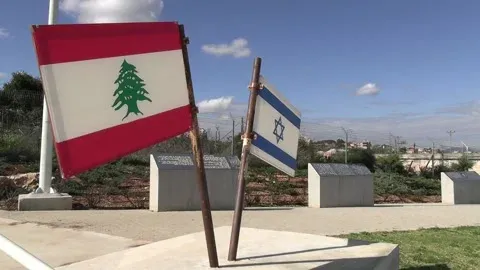
Lebanon and Israel have successfully established their first direct diplomatic contact through a telephone exchange between their ambassadors in Washington, marking a major shift in the regional conflict. Facilitated by the United States, this rare interaction resulted in a formal agreement to hold an in-person meeting at the US State Department on Tuesday, April 14. This upcoming session aims to establish a framework for a lasting ceasefire and create a timeline for broader bilateral negotiations.
Hostilities have surged recently, with Lebanese health officials reporting nearly 2,000 casualties since the intensification of cross-border strikes in March. While Israel continues its military operations against Hezbollah, the agreement to engage in state-level talks suggests a potential decoupling of the Lebanese government’s interests from those of armed factions. This diplomatic movement coincides with broader American efforts to stabilize West Asia, including parallel discussions involving Iranian delegations in Pakistan.
Strategic Shift in Diplomacy
Beirut and Tel Aviv technically remain in a state of war since 1948, making this direct channel a departure from decades of purely indirect communication. Historical precedent suggests that US-brokered maritime border agreements in 2022 provided a template for such cooperation, yet the current security climate remains far more volatile. Washington’s active mediation reflects a renewed push by the Trump administration to secure regional stability through direct economic and security incentives.
Roadmap to April 14
Tuesday’s discussions will prioritise de-escalating the southern border where civilians on both sides have faced displacement. Despite the diplomatic progress, internal pressures remain high. Lebanese leaders face domestic scrutiny over sovereignty, while Israeli officials maintain that military pressure is necessary to ensure the safety of their northern residents. Success in Washington could redefine the geopolitical landscape of the Levant for the coming decade.
.webp)