


.webp)


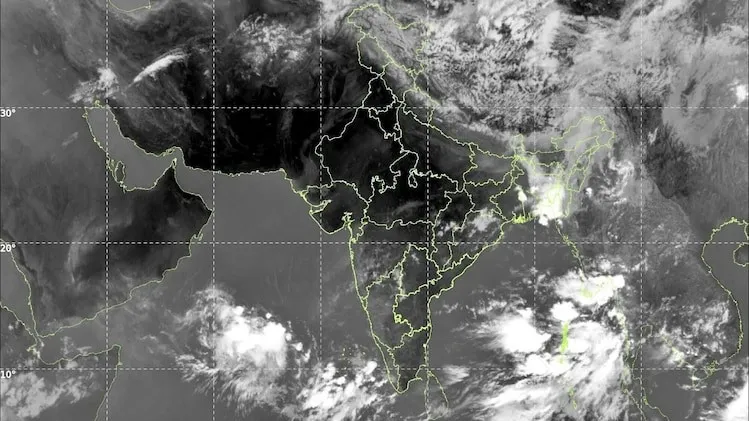
IMD confirms delayed arrival of southwest monsoon over Kerala
Meteorologists confirm that India must wait a bit longer for relief from extreme summer heat as changing atmospheric conditions stall southwest monsoon rains. Forecasters at the India Meteorological Department originally predicted an early arrival over Kerala around May 26. Current real-time weather tracking reveals missing rainfall criteria across designated southern stations, pushing expected landfall into early June.
Ocean Warming Threatens Seasonal Rainfall
Developing ocean current anomalies in the Pacific Ocean cast doubt on total precipitation volumes for this year. Climate experts project that El Nino conditions will likely suppress moisture delivery across South Asia during crucial agricultural months. This ocean warming phenomenon historically correlates with below-average seasonal precipitation, raising serious concerns for farming communities. For agrarian states like Odisha, where Kharif crop sowing relies heavily on timely July showers, any prolonged dry spell could severely disrupt rural economic stability and regional food security. Authorities warn that even after rains officially begin, overall geographical distribution might remain highly erratic throughout the summer season.
Kerala Experiences Pre-Monsoon Showers
Southern coastal districts already face continuous wet weather, despite missing official onset declarations. Sustained wind speeds and cloud density have not aligned perfectly with technical benchmarks required by national forecasters. Several southern zones currently remain under yellow alerts, with severe thunderstorms battering Ernakulam, Alappuzha, and Thiruvananthapuram. Local residents experience heavy drizzle daily, which environmental experts classify as early precursor activity rather than actual seasonal advancement. Prevailing wind patterns over the Arabian Sea need significant strengthening to pull vital moisture northward toward central and western states.
Economic Impact Of Delayed Showers
Delayed precipitation causes cascading negative effects across multiple economic sectors heavily dependent on steady water reserves. Many major national reservoirs require immediate replenishment to maintain adequate hydroelectric power generation and supply urban drinking water networks. Reduced agricultural yields frequently drive food inflation upward, directly impacting household budgets nationwide. Financial analysts watch these weather patterns closely since robust autumn harvests historically stimulate consumer spending in rural markets. Governments have to activate emergency contingency plans if dry conditions persist longer than statistical margins of error predict. Until sustained westerly winds establish firm control over the Indian peninsula, vulnerable farmers remain on high alert.
.webp)