


.webp)


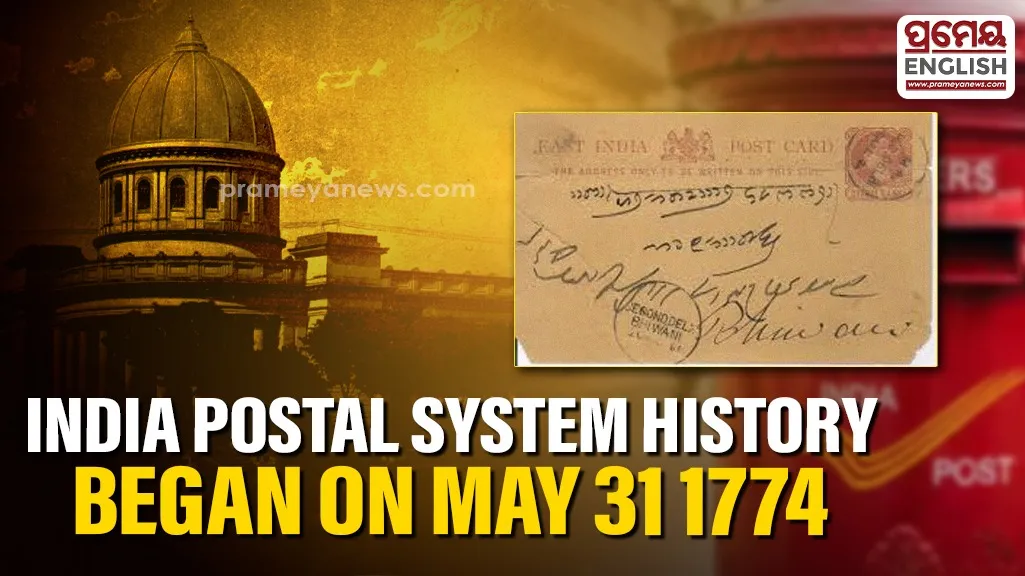
May 31 marks the birth of modern Indian communications
May 31 marks the anniversary of the foundational step in India postal system history, tracing back to the launch of the first official post office structure in 1774. This early network laid the baseline for what eventually transformed into the largest logistics and mail delivery network in the world.
Governor-General Warren Hastings took these measures under East India Company rule to centralize communication channels. Before this formalised setup, mail delivery remained restricted to official government intelligence and corporate correspondence. Opening the mail service to the general public for a small fee changed how ordinary citizens connected across distant provinces.
Growth from Calcutta to Odisha
Operations originally concentrated around Calcutta, the administrative hub of British India. The service expanded rapidly to support colonial governance, tax collection, and military deployment. This expansion eventually reached neighboring regions, establishing early postal routes through Odisha to connect Bengal with the Madras Presidency. Local foot runners, known as Harkaras, braved thick forests and wildlife to deliver letters across the region long before the introduction of railways.
Legacy of the Post Office
This network evolved far beyond simple letter delivery over the last two and a half centuries. Today, it serves as a critical financial lifeline for rural communities, providing banking services, savings accounts, and pension distributions where traditional banks do not operate. What began as a colonial tool on May 31 has evolved into a national infrastructure handling billions of shipments annually.
.webp)