


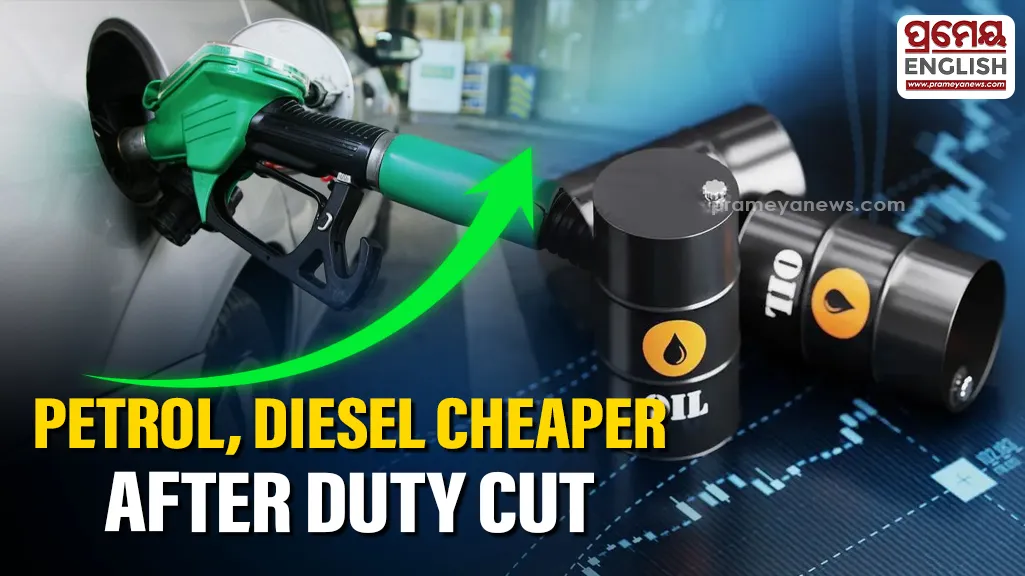
Fuel costs plummet following a sharp excise duty reduction
New Delhi enacted a significant cut to fuel taxes on Thursday, dropping the levy on both petrol and diesel by Rs 10 per litre to shield citizens from recent energy market volatility. Consumers will now see petrol excise duties sitting at just Rs 3 per litre, a sharp decline from the previous Rs 13 mark. Furthermore, government officials completely eliminated the specific levy on diesel, bringing it down to absolute zero from Rs 10 per litre, providing immediate financial breathing room for the commercial transport sector.
Geopolitical Shifts Calm Energy Markets
Global petroleum benchmarks responded swiftly to changing international dynamics. Brent crude dropped 1.28% to trade at $106.63 per barrel, while WTI crude fell 1.04% to $93.50 early Thursday morning. This downward pricing trend directly follows recent public statements from US President Donald Trump, who indicated that diplomatic negotiations with Iran are progressing smoothly and military escalations will likely pause. Consequently, risk premiums previously attached to West Asia oil supplies evaporated. This calming effect allows import-heavy nations like India to secure cheaper energy shipments and manage domestic inflation risks effectively.
Economic Impact on Regional Logistics
For coastal states like Odisha, where freight logistics depend heavily on diesel-fueled trucking networks operating out of industrial hubs like Paradip port, eliminating the diesel tax provides critical economic stabilization. Lower transport costs invariably prevent sudden spikes in the prices of essential agricultural goods, seafood exports, and daily household commodities. This strategic policy shift protects both rural farmers and urban consumers from the downstream effects of volatile global energy markets.
Oil Marketing Companies Experience Volatility
Financial analysts immediately turned their attention to the stock performance of major state-run oil marketing companies following the announcement. Hindustan Petroleum Corporation Ltd, Bharat Petroleum Corporation Ltd, and Indian Oil Corporation Ltd registered notable gains during the preceding trading sessions. HPCL shares rose 2.5%, IOC ticked up 1.4%, and BPCL gained 0.9% as broader market moods improved.
Despite these short-term market rallies, energy equities faced heavy selling pressure recently, with HPCL touching a 52-week low just days prior. Industry experts expect this dramatic tax reduction to influence corporate profit margins heavily. Future financial performance for these energy giants will depend entirely on how retail pump prices align with international crude acquisition costs throughout the upcoming fiscal quarter.