



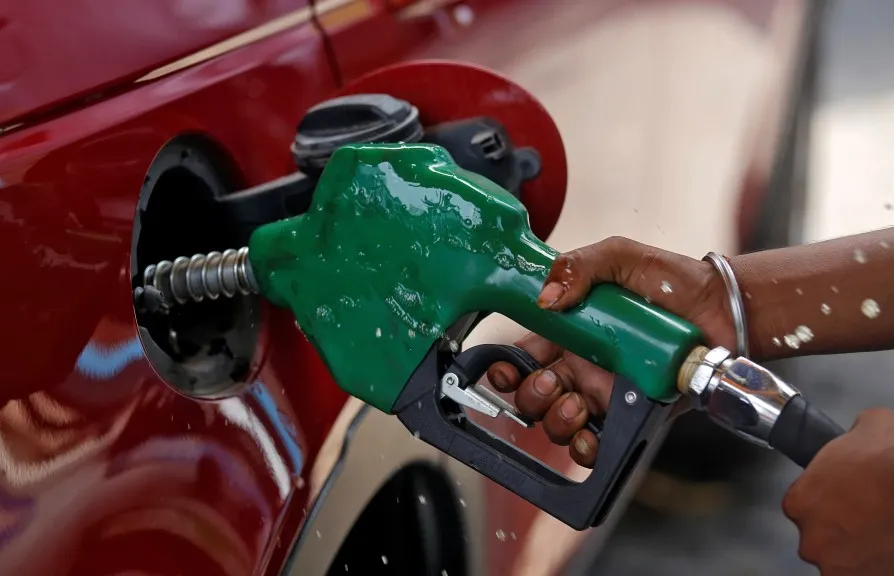
Pushback from consumers forces delays in higher ethanol blending
Federal authorities will likely postpone rolling out petrol mixed with 25% ethanol following severe consumer criticism across the country. Consumers strongly opposed the rapid transition to the current E20 standard, which contains 80% regular fossil fuel and 20% ethanol. Motorists have consistently reported noticeable drops in vehicle mileage and expressed fears of potential long-term engine damage. Initially, planners wanted to reach the 20% blending mark by 2030, but that target was aggressively advanced. E20 fuel currently serves as the default option across nationwide pumps, particularly impacting rural and semi-urban commuters. Recent tax exemptions and new fuel standards for E25 blends caused widespread alarm among car owners.
Historical Shift Stalls
Pushing blending targets earlier by five years left many vehicle owners feeling cheated and frustrated. Older cars struggle to handle higher ethanol content efficiently during daily use. Similar aggressive biofuel mandates in countries like Brazil required decades of gradual infrastructure adaptation to succeed without public backlash. This rushed Indian transition left both everyday consumers and original equipment manufacturers scrambling for solutions. Top government officials recently met to evaluate these growing concerns from the auto sector. Policymakers advised auto companies to scientifically assess and resolve complaints, though some officials consider the backlash slightly exaggerated. Sources indicate that authorities now recognise the necessity of granting the auto industry adequate time to prepare their ecosystems.
Focusing on Engine Health
Using E25 in engines originally built for purely fossil fuels drastically reduces fuel economy and everyday performance. Ethanol burns at higher temperatures and holds less energy by volume, directly reducing overall vehicular efficiency. This specific chemical makeup also easily absorbs moisture, threatening delicate internal components of older cars with severe and costly corrosion over time. Manufacturers need substantial time to calibrate engines and ensure material durability for these higher biofuel ratios. While adding ethanol reduces carbon emissions and cuts expensive import bills, rushing this change risks alienating the public entirely. Carmakers are currently developing new engines with higher compression ratios to handle future fuel blends effectively. Officials maintain they will definitely conduct thorough road testing and extensive stakeholder consultations before officially enforcing any further upgrades.