


.webp)


Washington halts temporary sanctions relief for Russian oil shipments
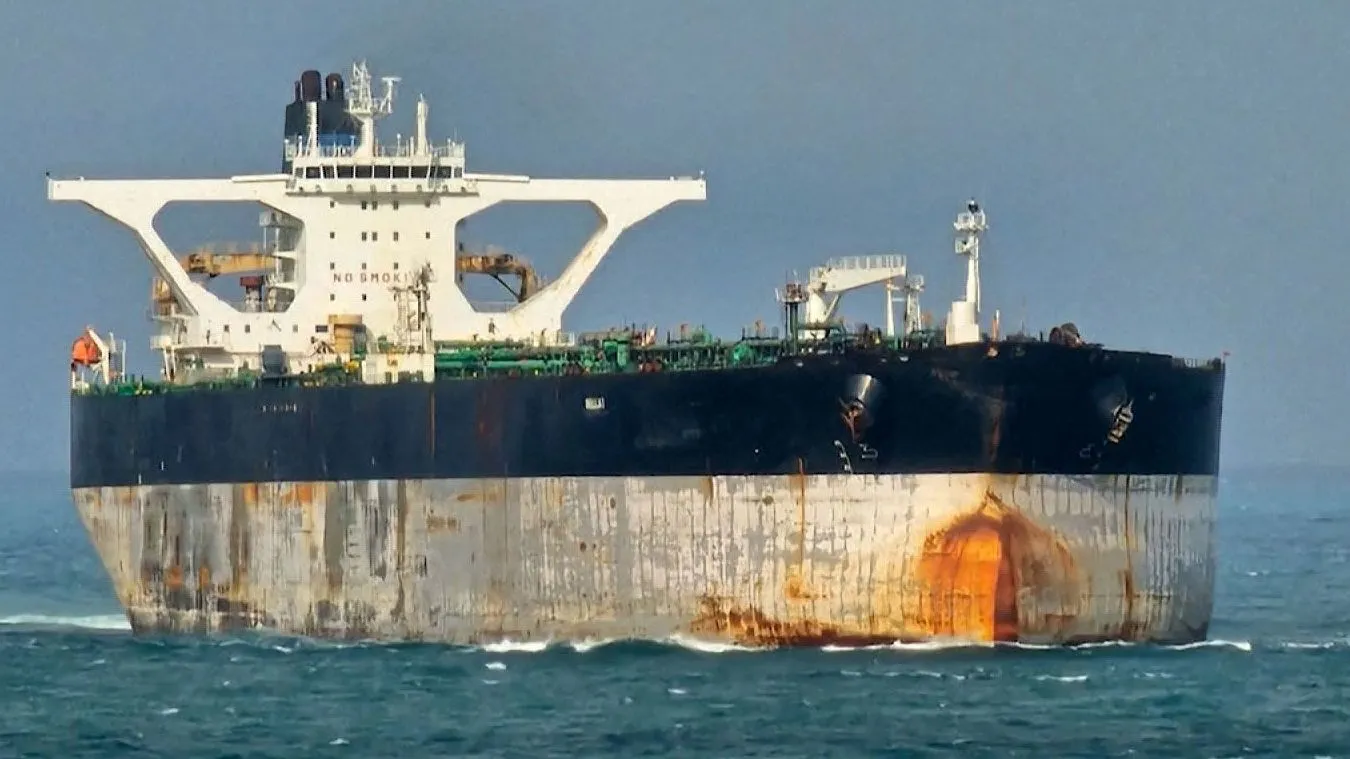
United States Treasury officials have officially confirmed the expiration of temporary sanctions waivers that previously allowed certain Russian oil trades to proceed. This decision marks a shift back toward a strict enforcement stance as the maritime shipments targeted by the relief have reportedly reached their destinations. Treasury Secretary Scott Bessent clarified that the general license, which facilitated the movement of crude loaded before March 11, will not see a renewal.
Supply stabilisation drove the initial issuance of these short-term licenses. The move was intended to prevent a price shock while tensions in West Asia threatened to block the Strait of Hormuz. By allowing "stranded" oil already at sea to enter the market, Washington sought to cool soaring energy costs without providing fresh capital to Moscow. However, domestic political pressure from lawmakers argued that any relaxation risked funding foreign military efforts.
Energy security remains a critical concern for major importers like India. Historically, Indian refiners have balanced their energy baskets between Middle Eastern suppliers and discounted Russian grades to manage domestic inflation, a strategy that has often drawn scrutiny from Western allies. This latest tightening of the "maximum pressure" campaign forces Asian buyers to look toward alternative sources in Africa and Latin America.
Global Market Outlook
Market analysts suggest that the lapse of these licenses could trigger immediate volatility in crude pricing. While the US believes the specific cargoes covered by the waiver have been utilised, the broader signal indicates a narrowing window for legal trade with sanctioned entities.
Strategic Enforcement Shifts
Federal authorities are now pivoting toward more rigid oversight of the G7 price cap. The objective is to limit revenue to the Kremlin while maintaining enough global supply to prevent a domestic fuel crisis in the United States.
.webp)