.webp)


Forgotten strongmen once anchored Puri Rath Yatra chariot pulling
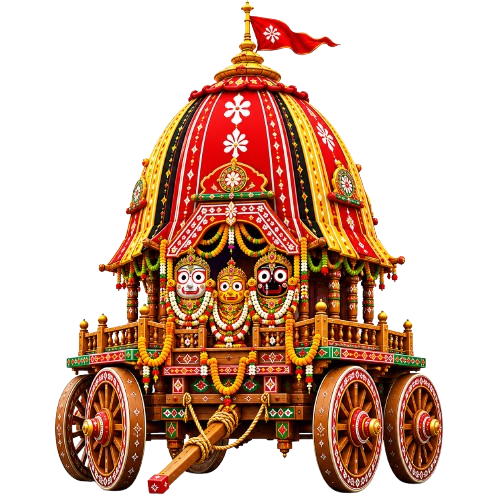
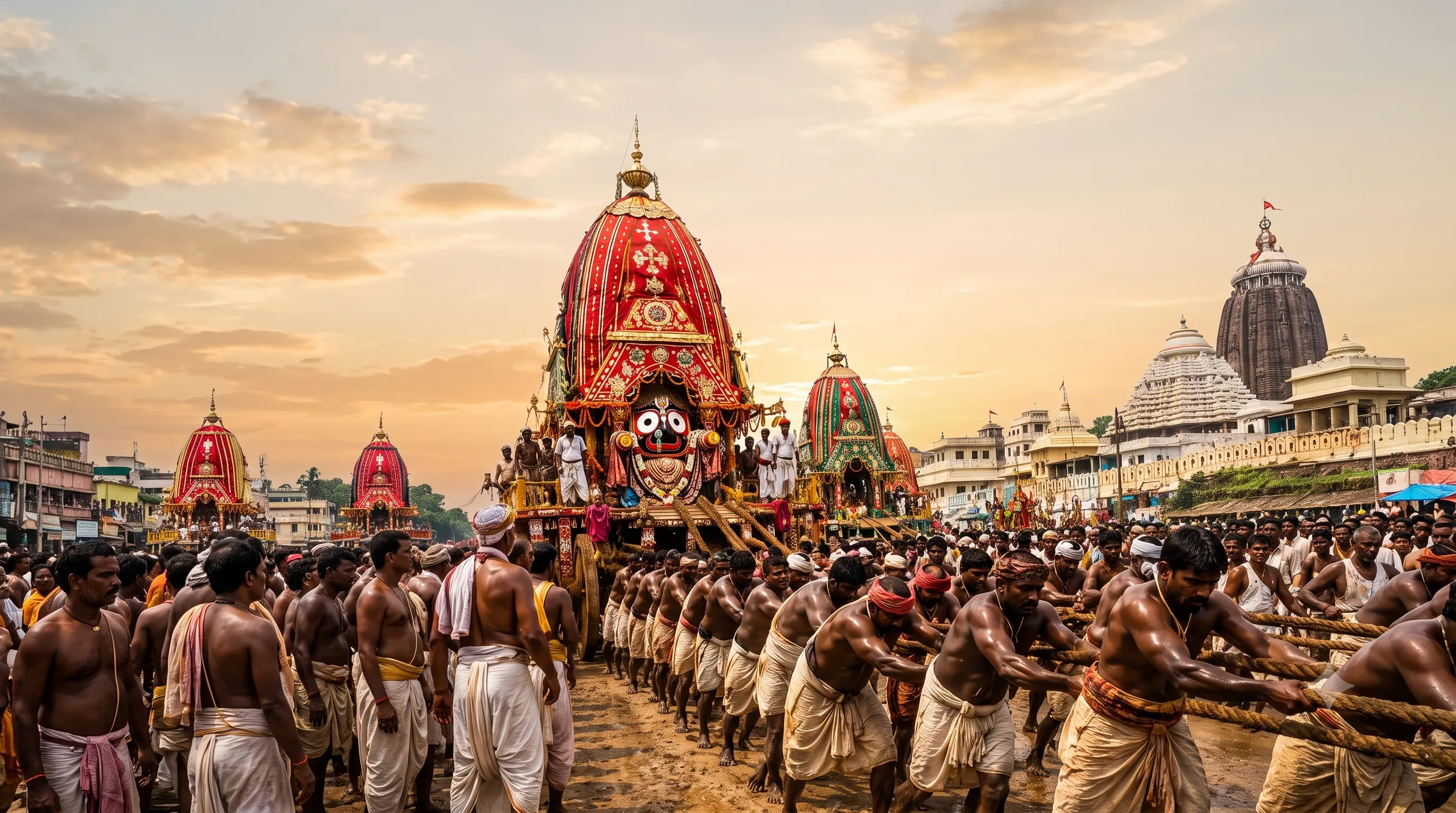
Centuries before millions of devotees paved the way on modern asphalt, a specialised guild of thousands of powerhouse labor mechanics held the exclusive duty of pulling the giant chariots of Lord Jagannath. Known as the Kalabethia, these men formed the physical backbone of the annual car festival during an era when the Grand Road was a treacherous stretch of deep sand and thick mud. Local historical records indicate their name likely derived from their sun-darkened skin tones or their deep association with the hard-working labour class of old Odisha.
Moving these colossal wooden structures required calculated manpower rather than chaotic crowds. Documentation within the historical archive Asiatic Researches reveals that a massive force of 4,200 Kalabethia workers received assignments simultaneously to keep the festival moving. The deployment distributed force systematically across the triad of deities: 1,000 men operated the Nandighosh chariot, 1,200 managed the Taldhwaja, and a leading force of 2,000 steered the Darpadalan. By 1807, royal ledgers recorded that the local administration formally employed 456 of these specialists, providing a daily compensation allowance of three rupees.
Signal Flags and Spiritual Ecstasy
Operations on the track relied on strict coordination. Security guards known as Barkandajs would signal with red flags, prompting the Kalabethia to exert their synchronized strength against the ropes. Their duties extended far beyond physical labor; once the king completed the ritual sweeping, these men transformed into cultural performers. They played traditional jhanj and manjira cymbals, dancing and chanting kirtans directly ahead of the wooden wheels to amplify the spiritual energy of the event.
Though modern concrete roads and police supervision eventually phased out this specialized service by the mid-twentieth century, their devotion remains etched into the heritage of Odisha.
.webp)