


.webp)
Stringent Action against Exam Fraud
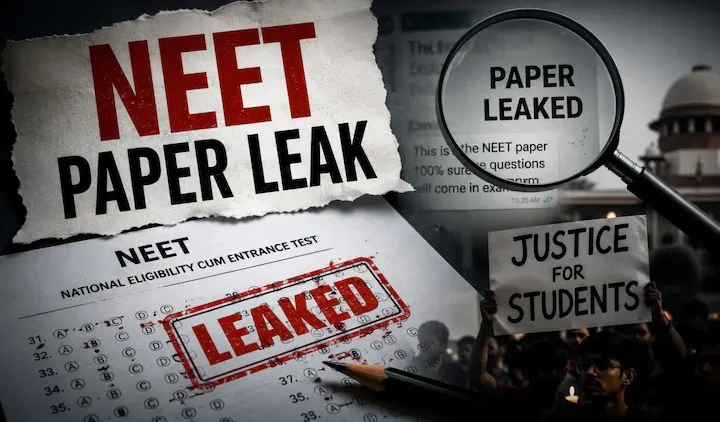
Union officials are preparing strict legal updates to dismantle organised examination fraud syndicates. Proposed changes to existing legislation will introduce fast-track courts mandated to conclude trials within three months. Officials aim to penalise offenders with up to ten years in prison and fines reaching Rs 10 crore. This legislative push follows widespread outrage over alleged irregularities in recent NEET assessments, which sparked nationwide protests.
Protecting Student Futures
Recent controversies surrounding medical entrance tests forced authorities to rethink exam security protocols. In regions like Odisha, where competitive exam delays frequently frustrate local aspirants, such strict federal enforcement offers renewed hope for transparency. Prime Minister Narendra Modi recently assured citizens that perpetrators who jeopardize student futures will face severe consequences. Consequently, lawmakers plan to amend the Public Examinations (Prevention of Unfair Means) Act of 2024 to give these new fast-track tribunals statutory authority.
Swift Judicial Processing
Currently, individuals caught manipulating public exams face three to five years behind bars. Organised mafias can receive up to ten years and a minimum penalty of Rs 1 crore. Under the newly proposed framework, however, the government seeks to eliminate prolonged legal battles that often allow culprits to escape immediate justice. By forcing investigators and judges to resolve cases within a strict 90-day window, policymakers hope to deter interstate cheating networks from operating freely.
Cabinet Approval Expected
Top leadership discussed these upgraded provisions during a recent Union Cabinet session to ensure immediate implementation. Authorities recognised that dismantling well-connected cheating rings requires both tough penalties and rapid judicial processing. Education ministry officials anticipate that these enhanced measures will rebuild trust among millions of youths preparing for critical national assessments like NEET and JEE. Stricter enforcement will ultimately prevent future generations from facing similar academic uncertainties.
.webp)