

.webp)


Midnight declaration ends British rule, sparking modern Middle East history
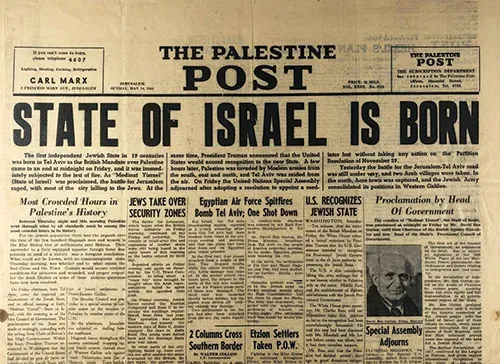
Israel emerged as a sovereign nation on May 14, 1948, following a formal proclamation in Tel Aviv that coincided with the exit of British forces. This bold move transformed centuries of spiritual longing and political activism into a recognized geopolitical reality. David Ben-Gurion read the declaration at the Tel Aviv Museum, asserting the natural right of the Jewish people to self-determination in their ancestral home. The announcement arrived hours before the official expiration of the British Mandate, creating a vacuum that the new provisional government moved quickly to fill.

President Harry S. Truman acted with remarkable speed, granting de facto recognition to the new state just eleven minutes after the proclamation. This decision remains a hallmark of 20th-century diplomacy, as Truman overrode intense opposition from his own State Department. His advisors feared that supporting the new nation would jeopardize ties with oil-rich Arab neighbors and ignite regional conflict. However, Truman’s commitment ensured that the United States was the first global power to validate the legitimacy of the Israeli government.
The declaration drew its legal authority from the 1947 United Nations Partition Plan, which proposed dividing the territory into separate Jewish and Arab states. While the Jewish leadership accepted the plan, regional Arab leaders rejected the borders, leading to immediate hostilities. The text of the 1948 document remains a foundational charter, promising social and political equality for all citizens regardless of race or religion. It also specifically referenced the horrors of the Holocaust, framing statehood as an urgent necessity for the survival and dignity of the Jewish people.
Establishing the state did not bring immediate stability. Instead, it triggered a war with neighboring Arab countries that reshaped the map of the Levant. The conflict created a complex legacy of displacement and military tension that persists today.
Modern international relations continue to grapple with the ripples of this event. The document signed in Tel Aviv serves as both a symbol of national rebirth for some and a point of historical contention for others. Its influence on modern borders and diplomatic alliances remains absolute.
.webp)