


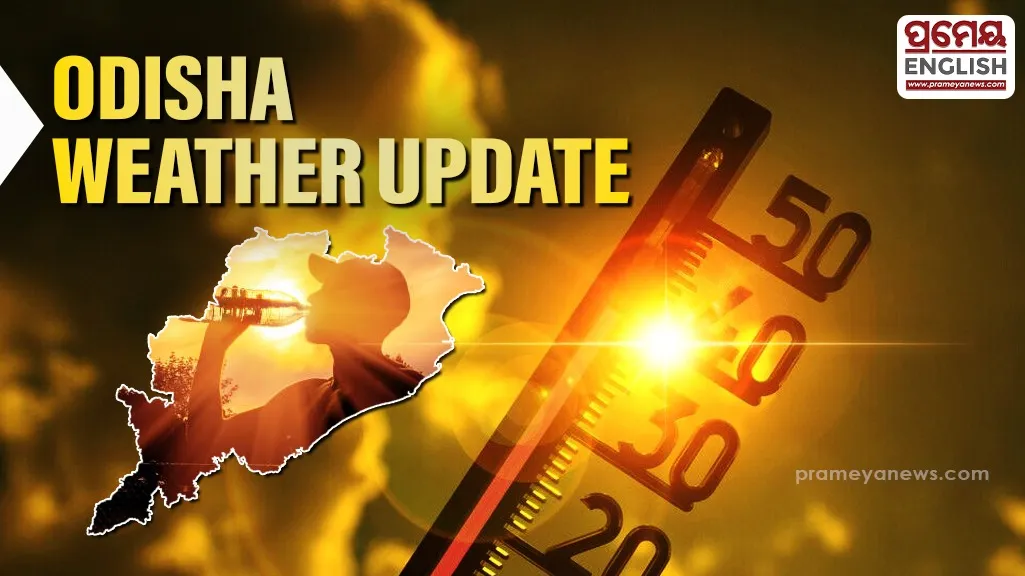
Jharsuguda records highest temperature while southern districts experience rainfall
Jharsuguda emerged as the hottest location in the state after recording a blistering maximum temperature of 43.4°C, even as diverse weather patterns brought severe thundersqualls and heavy downpours to other regions. Data released by the Meteorological Centre Bhubaneswar indicates a sharp climatic divide across the state. While western pockets bore the brunt of the intense summer heat, localized storm systems brought significant relief to coastal and southern belts.
Western districts continue to experience harsh summer conditions, with Sambalpur logging 42.3°C, Hirakud at 42°C, and Titilagarh reaching 41.5°C. In the twin cities, Bhubaneswar recorded a maximum temperature of 39.0°C alongside a humid minimum of 29.2°C, while neighboring Cuttack registered 39.6°C. These high thermal conditions in the interior plains are historically common in mid-May as north-westerly winds channel dry heat into the region before the arrival of the monsoon.
In contrast to the western heat, dynamic atmospheric changes triggered a severe thundersquall over Balasore, which also logged the state's lowest minimum temperature at 22.4°C. The district average rainfall map shows Balasore securing a large excess of 6.4 mm, marking a 106% departure from normal. Concurrently, Koraput district faced intense precipitation, with Similiguda station recording the state's highest rainfall at 69.0 mm. Other areas like Chandua and Shamakhunta in Mayurbhanj registered 27.0 mm and 22.0 mm respectively. Despite these heavy localized showers at one station, the cumulative daily rainfall departure for Odisha remained 13% below the normal average.