

.webp)

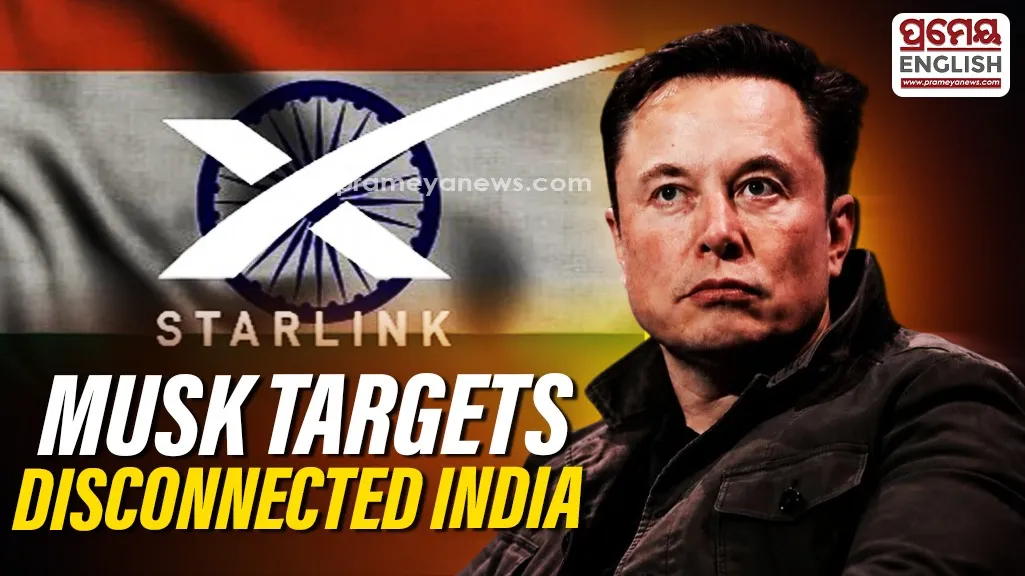
Elon Musk renews efforts to launch rural Indian internet
SpaceX founder Elon Musk is pushing hard to introduce his satellite internet network to India, stating it will significantly benefit isolated rural communities. Responding to a social media discussion on X about poor rural connectivity, Musk emphasised that his service aims to support citizens who lack reliable cellular access. This push happens as his company submits a fresh application to the Indian National Space Promotion and Authorisation Centre (IN-SPACe). They are seeking regulatory clearance for a second-generation satellite constellation featuring direct-to-device capabilities.
Current statistics highlight a stark digital divide across the nation. Urban areas boast an internet subscription density of 126.80 per 100 people, whereas rural regions lag behind at just 48.31. Standard mobile networks struggle to reach many villages, leaving millions disconnected. In regions like Odisha's remote Malkangiri or Rayagada districts, where deep forests and hilly terrains block standard mobile networks, such low-orbit satellite technology promises life-changing digital access.
Bridging Digital Gaps
Unlike geostationary satellites orbiting 36,000 kilometers away, this network operates roughly 550 kilometers above Earth. This proximity ensures lower latency and faster data speeds without requiring ground cell towers. Users only need a simple hardware kit to connect. Such infrastructure proves highly resilient during natural disasters like floods or earthquakes when traditional power lines often fail.
Regulatory Hurdles Remain
Commercial operations remain stalled despite the technological promise. The Ministry of Home Affairs previously blocked approvals over national security concerns. Furthermore, spectrum allocation and security clearances are still pending for all non-geostationary satellite operators. While the Telecom Regulatory Authority of India (TRAI) issued pricing recommendations, the final government verdict is awaited. Domestic telecom giants view this new direct-to-consumer technology as a competitive threat and demand a level playing field.
Meanwhile, a recent website glitch temporarily displayed an estimated hardware cost of Rs 34,000 and a monthly fee of Rs 8,600, though executives quickly denied these figures. The network primarily targets low-density areas and would likely serve only one to two percent of users in densely populated cities.
.webp)