
.webp)


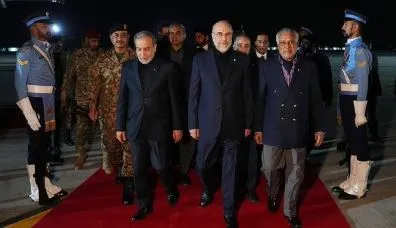
Grim reminders of Minab school victims accompany Iranian negotiators
Iranian Parliament Speaker Mohammad Bagher Ghalibaf arrived in Islamabad for critical negotiations carrying the blood-stained belongings of children killed in the Minab school strike. In a haunting display of psychological diplomacy, Ghalibaf shared images from his official flight showing rows of passenger seats occupied not by officials, but by tattered school bags, small shoes, and photographs of the deceased. These artifacts represent the 160 students and teachers lost during the February 28 strike on the Shajareh Tayyebeh girls' school in southern Iran.

Diplomacy with a Somber Reminder
Negotiations between Tehran and Washington, mediated by Pakistan, face immense tension as both sides set rigid preconditions. While US Vice President JD Vance leads the American delegation with a focus on nuclear containment and maritime security in the Strait of Hormuz, Iran has positioned the "Minab 168" tragedy at the heart of its moral argument. By bringing these relics to the negotiating table, Tehran seeks to frame the dialogue around the human cost of the conflict rather than just geopolitical concessions.
Regional Stakes and Historical Context
Pakistan’s role as a mediator echoes its historical position as a bridge between the West and the Islamic world, similar to its involvement in the 1970s rapprochement between the US and China. Prime Minister Shehbaz Sharif has invited both leaderships to find a permanent resolution to the escalating Middle East crisis.
Terms for A Lasting Truce
Iranian officials insist on the unfreezing of national assets and a ceasefire in Lebanon before finalizing any deal. Conversely, the US administration remains firm on ensuring the Strait of Hormuz stays open to international trade. The presence of the Minab victims' belongings serves as a silent, powerful participant in these discussions, ensuring that the heavy toll of the recent strikes remains at the forefront of the diplomatic stage.
.webp)