



Rajkumar Santoshi delivers powerful partition themes with poor execution
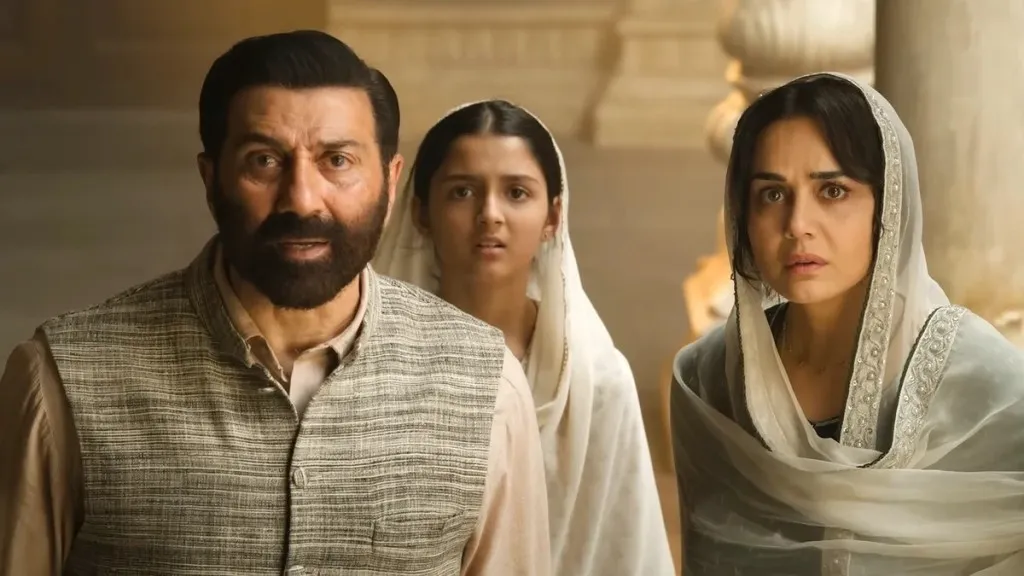
Rajkumar Santoshi released his highly anticipated partition drama, Batwara 1947, in theatres on August 14. Featuring a star-studded cast including Sunny Deol, Preity Zinta, and Shabana Azmi, this film adapts the acclaimed play Jis Lahore Nai Vekhya, O Jamya E Nai. The 1947 Partition displaced millions across the subcontinent, leaving deep socio-cultural scars that Bollywood filmmakers continually try to explore. Santoshi aims to promote communal harmony, showing that people of different faiths can coexist peacefully. However, flat performances and abrupt narrative shifts ultimately weaken his strong core message.
Plot Highlights
Sikandar Mirza, played by Sunny Deol, flees to Pakistan during Independence Day riots but tragically leaves his son behind. In a refugee camp, he struggles to secure a home until a poet named Habib, portrayed by Ali Fazal, steps in to help. They find a house, but an elderly Hindu woman, played by Shabana Azmi, already lives there. Mirza initially insults her as 'budhiya' and tries to force her out. Soon, this hostility turns into a protective brotherhood. Unfortunately, the director rushes this transition, leaving audiences disconnected from their emotional bond.
Weak Performances Derail the Theme
Sunny Deol commands the screen with his intense dialogues, taking on a cartoonish villain played by Abhimanyu Singh. Karan Deol gets a promising arc but struggles to match his father's powerful screen presence. Preity Zinta fails to convey the devastation of a mother missing her son. Her dialogue, “Apne papa se poocho, kyunki yeh saare decision mard humse poochhe bina lete hain,” feels like forced modern commentary rather than authentic history. Shabana Azmi remains trapped in a perpetually sad role. While the script bravely argues that violence cannot cure violence, quoting “Zulm ko zulm se khatam nahi karte,” artificial sets prevent these profound ideas from truly resonating.