
.webp)

Questions still surround Subhas Chandra Bose following his plane crash
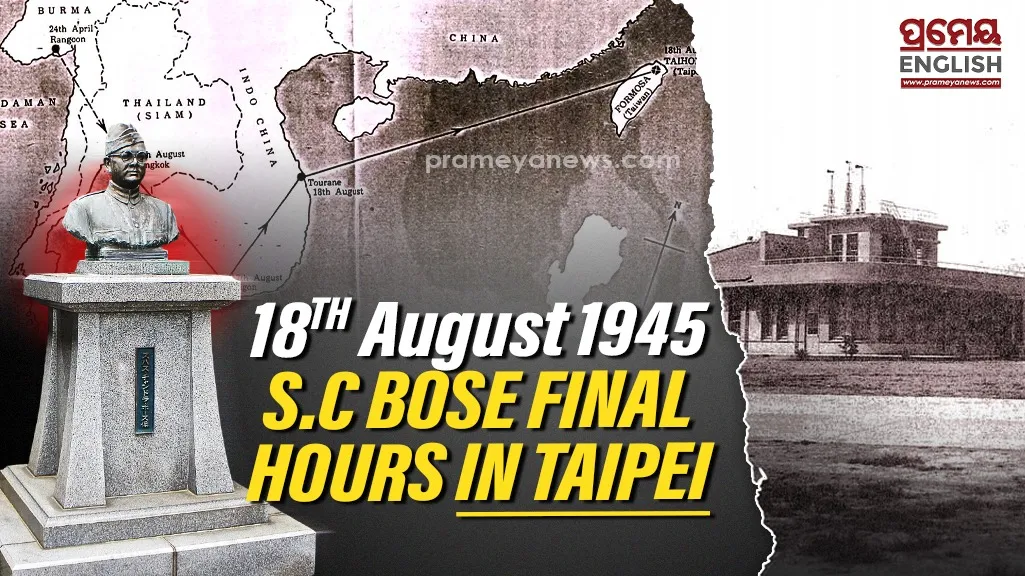
On August 18, 1945, Indian independence leader Subhas Chandra Bose reportedly died when his Mitsubishi Ki-21 bomber crashed moments after taking off from Songshan Airport in Taipei. He was attempting to reach the Soviet Union through Manchuria to secure backing for an independent India, just three days after Japan formally surrendered to Allied forces. His aggressive strategy of seeking foreign alliances, which notably resonated with many young freedom fighters across Odisha and Bengal, fundamentally challenged British control over South Asia.
Tragic Crash at Songshan Airport
Bose only planned to stay in Taiwan for two hours to refuel. Mechanics detected an engine problem but cleared the aircraft for departure after a quick fix. Chief of staff Habib-ur-Rahman recalled hearing a loud sound resembling a cannon shot as the plane climbed. The aircraft wobbled and crashed nose-first after the port engine propeller detached. While the pilot, copilot, and Japanese lieutenant general Tsunamasa Shidei died instantly, Bose initially survived. Luggage blocked the rear exit, forcing him to escape through burning wreckage. His petrol-soaked clothes caught fire, leaving him with severe burns.
Final Words and Investigation
Rescuers rushed survivors to the Nanmen Branch of Taipei Army Hospital. Rahman remembered Bose telling him to inform their countrymen to continue fighting for liberation, expressing certainty that India would soon be free. He died later that night. Officials cremated his body in Taipei and transferred his ashes to Tokyo, eventually placing them at Renkoji Temple.
Enduring Doubts over His Fate
Official records describe a straightforward fatal accident. Many citizens, however, refused to accept this conclusion. Theories quickly spread that Japanese forces assassinated him, staged the incident to help him reach Soviet territory, or that he secretly returned home as an ascetic. In 1956, Indian authorities formed the Shah Nawaz Committee to investigate. They interviewed witnesses in Japan and reviewed a Taipei cremation permit issued under the alias Ichiro Okura. Japanese officials claimed this fake name protected his identity. The committee ultimately concluded he died in the crash, noting that chaotic postwar conditions delayed the news.
Despite these findings, debates continued. In 2005, a commission led by retired judge Manoj Kumar Mukherjee determined Bose did not die in the accident and declared the ashes in Tokyo belonged to someone else. Government officials rejected that specific report, leaving the exact details of his final days officially debated to this day.
Image Source: Taipei Times
.webp)