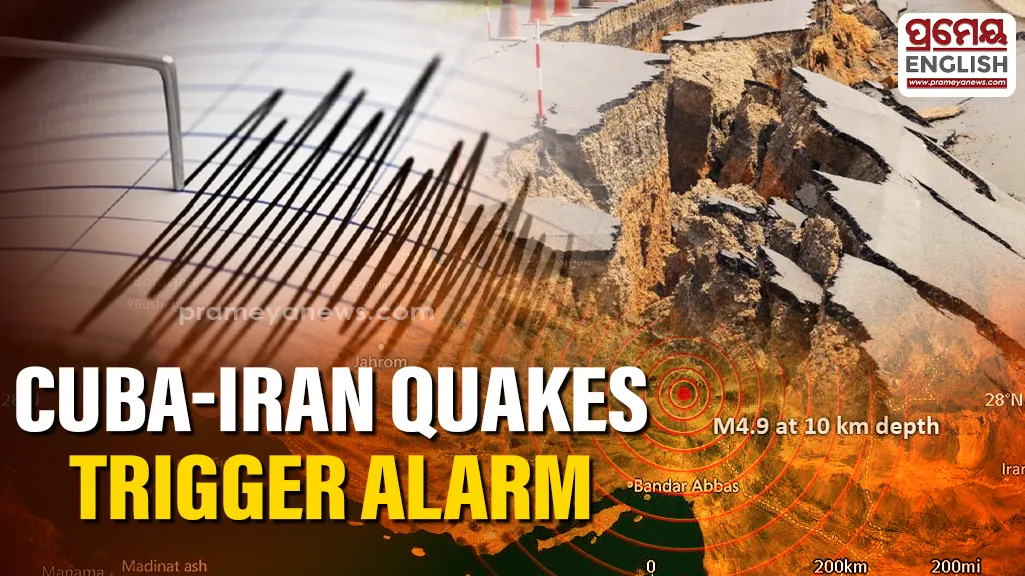
Powerful tremors disrupt multiple continents within a single day
Separate seismic disturbances hit western Cuba and southern Iran within hours of each other, following closely behind a fatal tectonic shift in the Pacific. Seismologists at the United States Geological Survey noted that the first event registered a strong 6.1 magnitude. This underwater movement originated near Mantua, Cuba, sending ripples across the Gulf of Mexico. Geophysics experts later pointed out that this specific occurrence stands out as the largest modern instrumental earthquake captured within the Gulf basin, shattering historical patterns for a zone generally considered stable.
Multi-Country Panic and Precautionary Halts
Tremors travelled far past Cuban borders, moving deep into North America. Florida residents from Tampa to Fort Lauderdale reported unexpected building vibrations. In downtown Miami, regional safety officers ordered precautionary building evacuations, including the prominent 28-storey administrative headquarters. Municipal transit authorities briefly halted local elevated rail transit networks to check infrastructure stability.
Meanwhile, popular tourist destinations along the Mexican coastline encountered structural shaking. Workers and vacationers throughout the Yucatan Peninsula, including Cancun and Tulum, hurried out into open streets as interior spaces began vibrating. Emergency management agencies confirmed that no coastal tsunami threats developed from the underwater energy release.
Separate Iranian Tectonic Movement
Different geographical stresses triggered a independent 5.0 magnitude earthquake near Sargaz in the southern Hormozgan province of Iran. Local disaster tracking teams confirmed the movement occurred at a depth of 22 kilometres, causing brief panic across neighboring districts.
Geological records show that both regions sit near highly active structural margins, though the Gulf incident represents a much rarer phenomenon than Iran's frequent baseline activity. Global monitoring agencies are maintaining close observation on regional fault lines to determine if these consecutive movements indicate broader structural adjustments following the recent disaster in the Philippines. No initial casualties or major structural failures have been reported from either site.