
US federal judge blocks Donald Trump H-1B visa fee
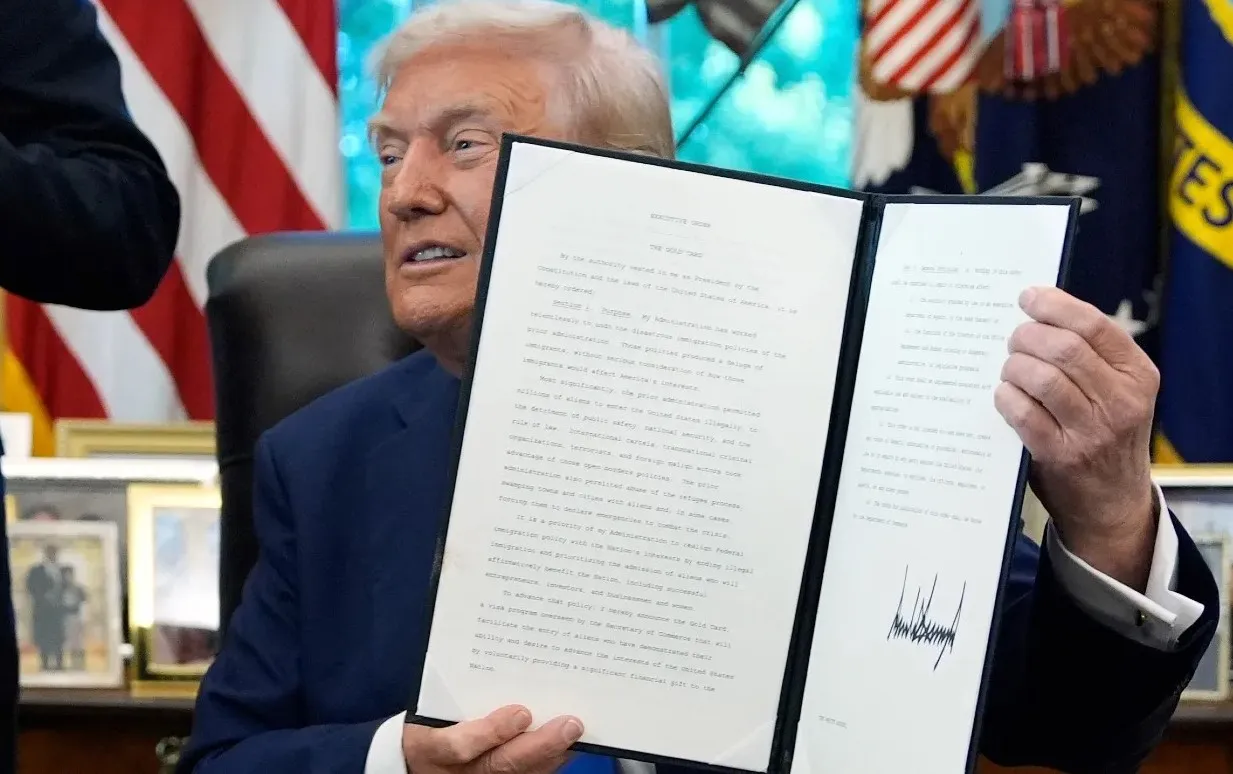
Donald Trump suffered a major judicial setback after a US federal court invalidated his administration's controversial 100,000 dollar application charge on new H-1B visas.US District Judge Leo Sorokin ruled in Boston that the dramatic price increase functioned as an unconstitutional tax implemented without congressional approval.The legal challenge, initiated by a coalition of 20 state attorneys general, successfully argued that executive overreach had bypassed federal immigration statutes to create an artificial barrier for overseas talent.
Shifting From Penalties to Taxes
The federal administration defended the policy by categorizing the steep financial demand as a regulatory penalty intended to safeguard domestic employment opportunities.However, the 42-page judicial decision clarified that changing the label of a state collection does not alter its baseline legal definition.Because the American constitution assigns the exclusive power to levy taxes to Congress, individual presidential proclamations cannot independently dictate structural fiscal policy.
Ramifications for Global Workforces
Sectors requiring specialized technical knowledge faced immense recruitment hurdles after the executive mandate went into effect last September. Historical data shows that citizens from India consistently secure roughly 70 percent of the 85,000 available annual H-1B spots. This specific fee escalation heavily penalized public sectors, hospital networks, and tech hubs, leading to a visible drop in specialized immigration filings nationwide.By mid-February, the domestic immigration agency had documented only 85 total payments under the elevated pricing system.
White House Response Plans
Spokesperson Taylor Rogers confirmed the administration maintains confidence that the judicial order will be overturned during subsequent appellate reviews.Government legal teams intend to argue that executive powers grant broad discretion to manage noncitizen entry criteria based on shifting national interests.While an appeals court reviews the split legal landscape, the temporary freeze offers immediate operational breathing room for global tech professionals and resource-strained educational institutions alike.